
Note: Free Barcelona Audio Guide. Dear visitor, on this page you can listen to the complete Barcelona audio guide for free. No payment is required. Enjoy! If you notice any mistake or wish to make any historical or cultural contribution to the content of the audioguide, please send us an email. Thank you.
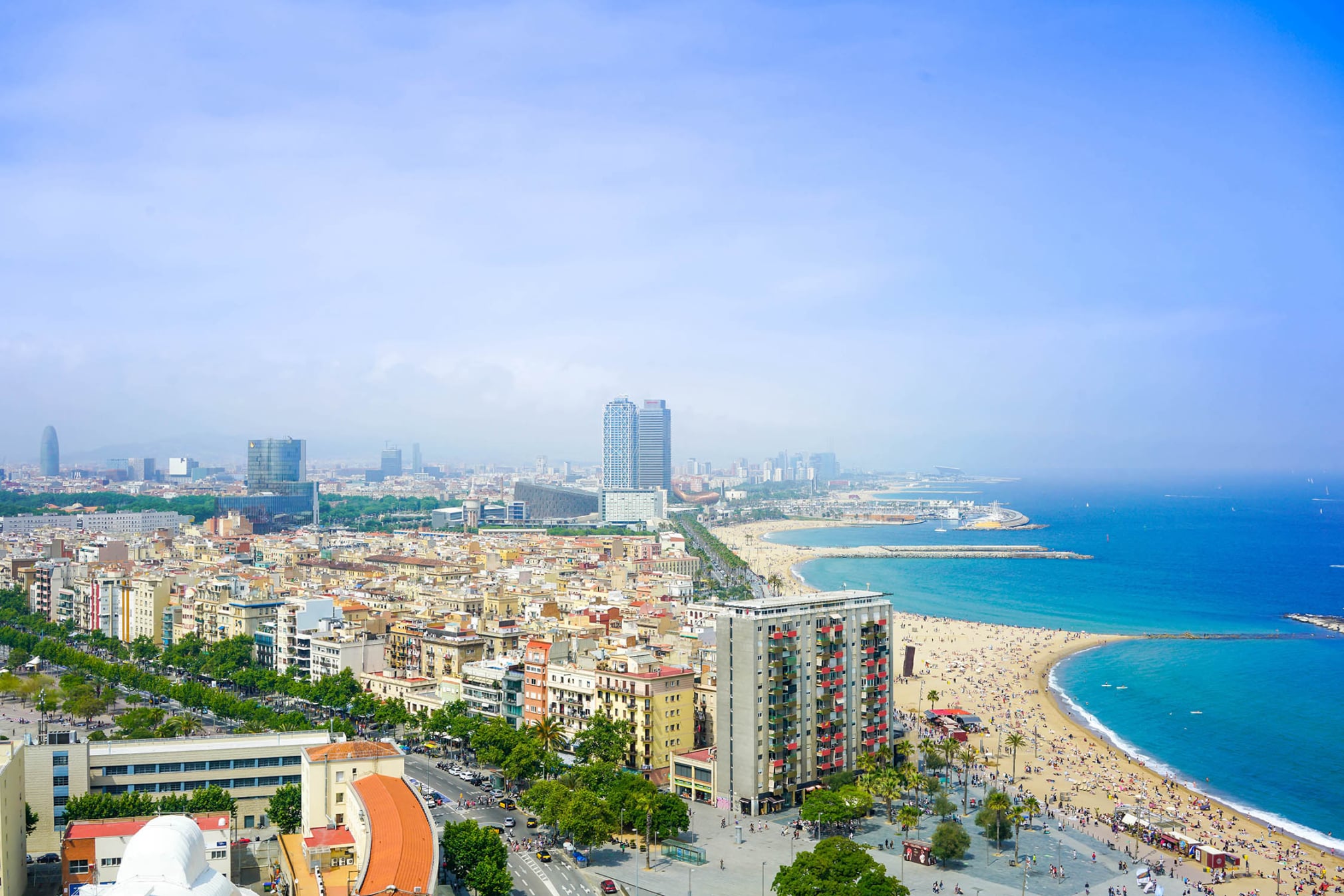
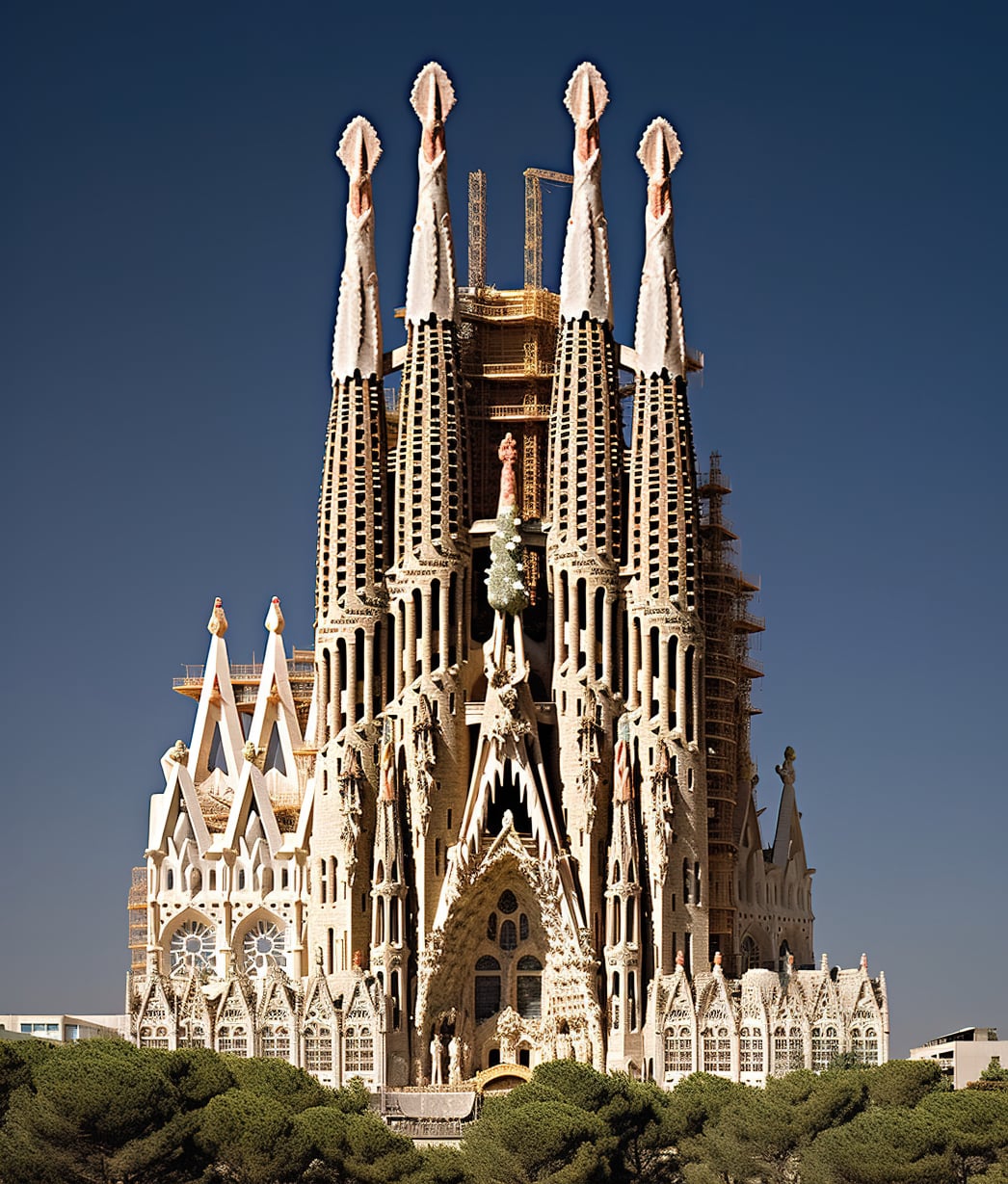
1. AUDIO GUIDE OF BARCELONA. SAGRADA FAMILIA.
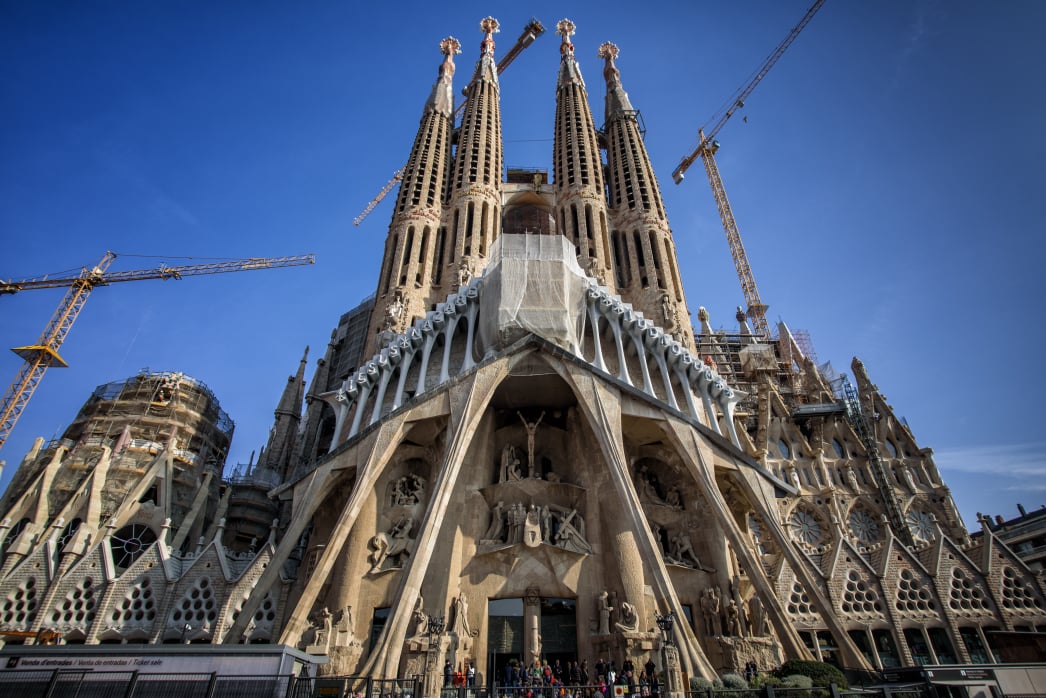
It is the most visited monument in the city and is still unfinished to this day.
Although not everyone knows this, Francisco de Paula del Villar y Lozano was the first architect in charge of the construction of the Sagrada Familia, who decided to leave the project due to disagreements with the promoters.
In 1883, the construction was taken over by Gaudí, who decided to propose a new, more monumental and innovative design thanks to the donations he received.
In 1926, Gaudí died leaving the building's plans in the hands of his successors so that his great work could be completed. It is known that Gaudí dedicated the last fifteen years of his life exclusively to the Sagrada Familia, a work in which he would encapsulate his entire architectural evolution.
Today, Gaudí continues to oversee the progress of the construction as his mortal remains rest in the cathedral's crypt.
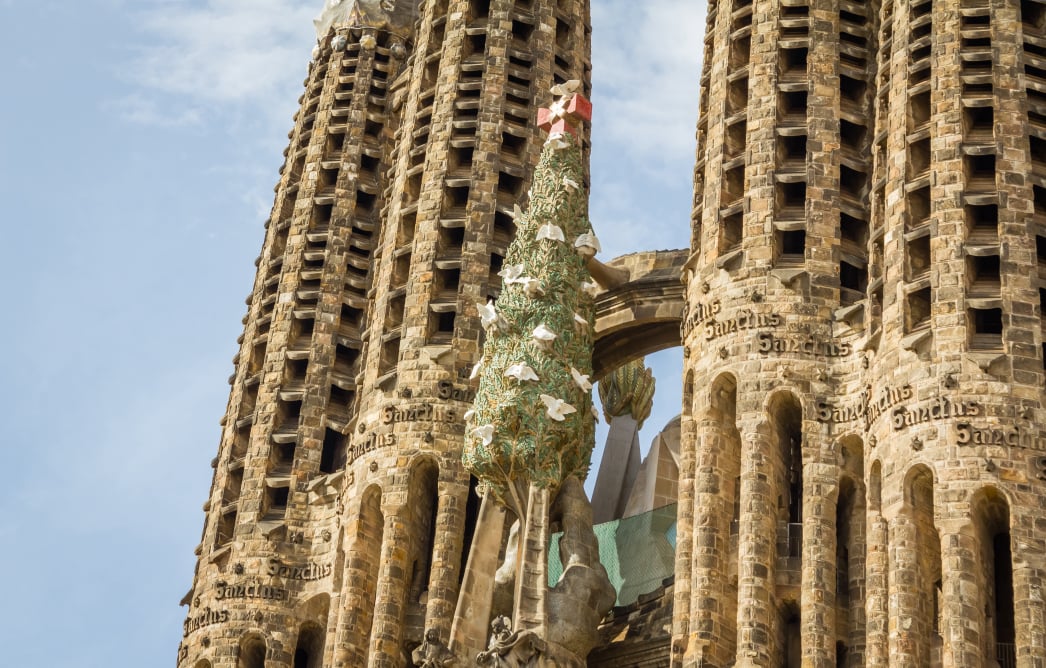
One of the most symbolic features of the Sagrada Familia is its verticality, aiming to rise towards God. In Gaudí's design, there are 18 different towers, of which 8 have been built to date. With these towers, Gaudí wanted to represent the 12 Apostles, four evangelists, one for the Virgin Mary, and another for Jesus.
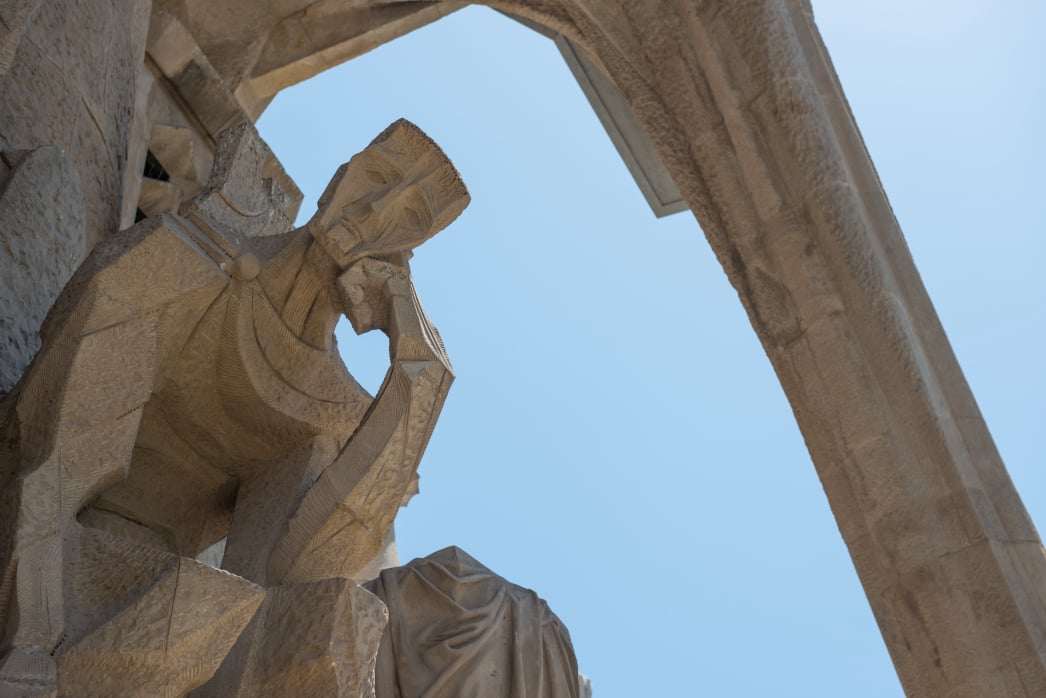
Its three main facades stand out: the Nativity facade, the only one that Gaudí saw completed and which represents the birth of Christ; the Passion facade, representing the suffering of Jesus during the Crucifixion; and the Glory facade, the largest of all, depicting death, the Last Judgment, heaven, and hell.
In 1936, during the Spanish Civil War, it is known that revolutionaries set fire to the crypt and destroyed the workshop, including plans, drawings, photographs, and scale plaster models. All this destruction could have affected the continuation of the Basilica's construction, but despite this, the work did not stop, and Gaudí's designs have continued to be projected.
Much of the construction of the Basilica has been completed to date, and it is anticipated that the Sagrada Familia will be finished in 2026. Audio Guide of Barcelona.
2. AUDIO GUIDE OF BARCELONA. LA RAMBLA
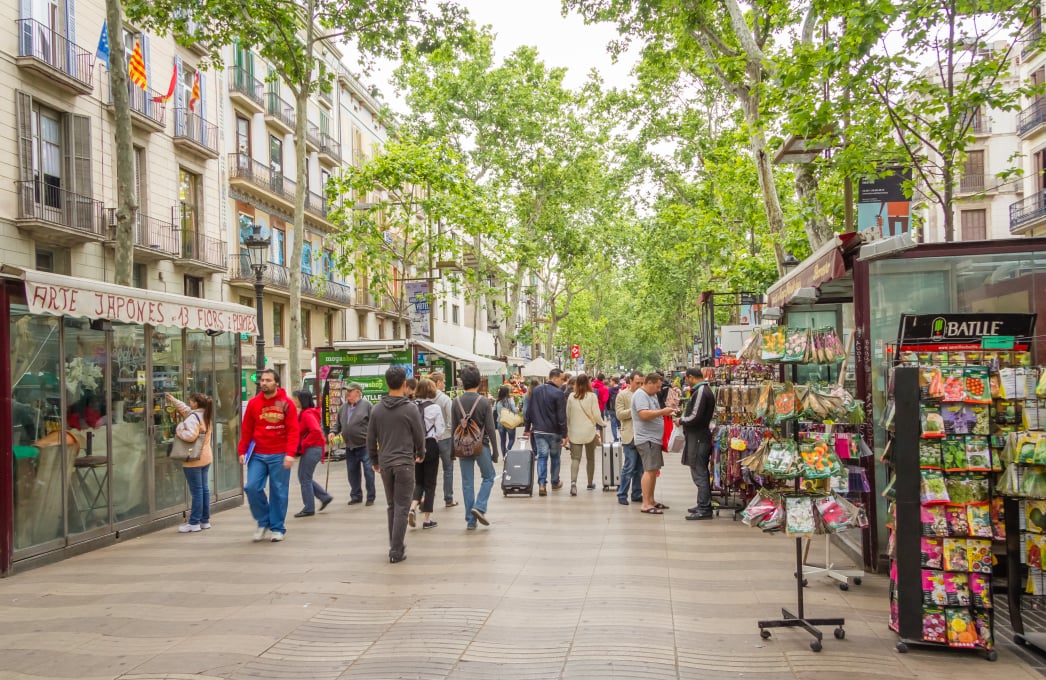
We can find La Rambla in the very historical center of Barcelona, linking Port Vell with Plaza de Catalunya.
It is a long promenade divided into different zones where we can find flower stalls, street performers, cafés, museums, as well as characteristic buildings of the city such as the Liceu Theatre or the Boqueria Market. Here, we can also find the Canaletes Fountain, where Barça fans gather to celebrate their team's victories. According to tradition, anyone who drinks water from this fountain will return to Barcelona.
It is known that at the end of the 18th and the beginning of the 19th century, it was traditional on La Rambla to sit and watch people pass by. People rented chairs to watch the flow of people in the famous Boqueria Square until in 1860 chairs were installed throughout the promenade.
One of the most characteristic points within La Rambla is the mosaic created by Joan Miró in 1976 in the Boqueria Square. This mosaic represents the sea and Miró created it in conjunction with the mural located at Barcelona Airport representing air, and the sculpture Woman and Bird located in Joan Miró Park representing the earth.
By the express wish of the artist, the mosaic is not protected and all passers-by who walk through the center of La Rambla can step on this work, which due to the high quality of its material has not been severely damaged, although it is periodically restored due to minor wear.
This was the final point of the trajectory of a van after the jihadist attack on August 17, 2017, in which 13 people died and hundreds were injured. Miró's mosaic served for everyone to place flowers and candles in memory of the victims. Audio Guide of Barcelona.
3. AUDIO GUIDE OF BARCELONA. PARK GÜELL.
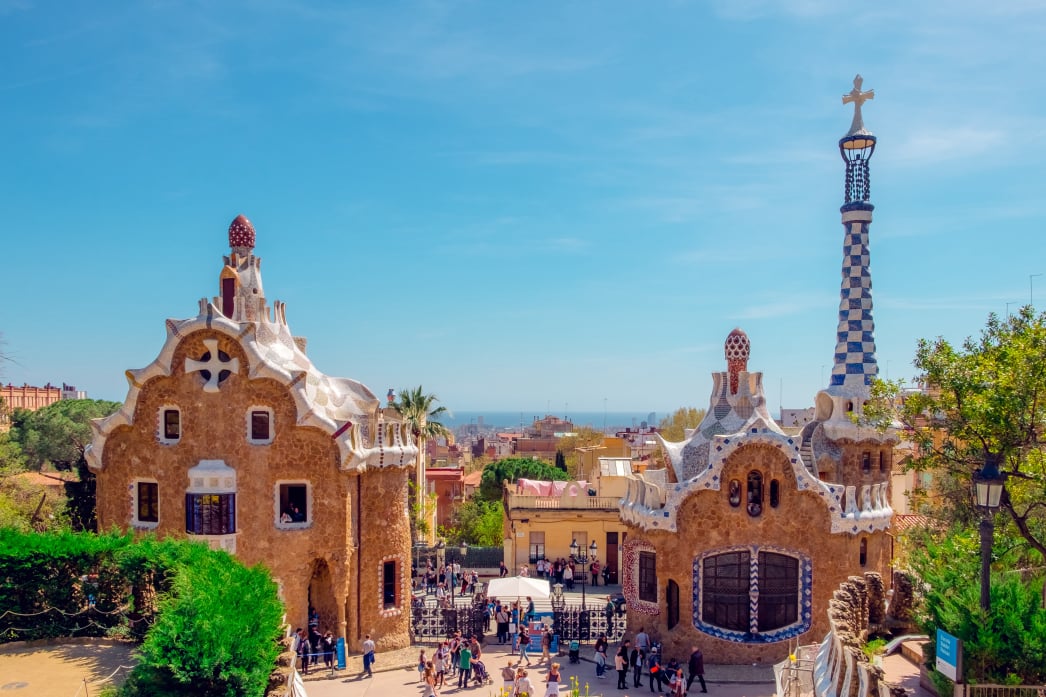
In its beginnings, this park was a private area acquired by Eusebi Güell, where he wanted to establish a housing development for affluent families. This gentleman commissioned Gaudí to design the project, which included 60 plots, as well as paths, viaducts, and staircases.
Güell intended to recreate the typical British residential parks, which is why he called it Park Güell, in English.
The first sale occurred in 1902, when a lawyer friend of Güell, Mr. Martín Trias i Domènech, bought one of the plots and ordered the construction of his chalet. On the other hand, José Pardo i Casanovas built a show house to stimulate sales, a place where Gaudí would move with his father and niece in 1906.
Eventually, the conditions of sale, poor transport, and the high exclusivity Güell wanted to project meant that the works were abandoned in 1914 with only two of the 60 planned houses built. After this, it was decided to cede the space for public events.
It will be in 1918, after Güell's death, that his heirs offered the large park to the City Council, which finally acquired it and opened it as a municipal park in 1926.
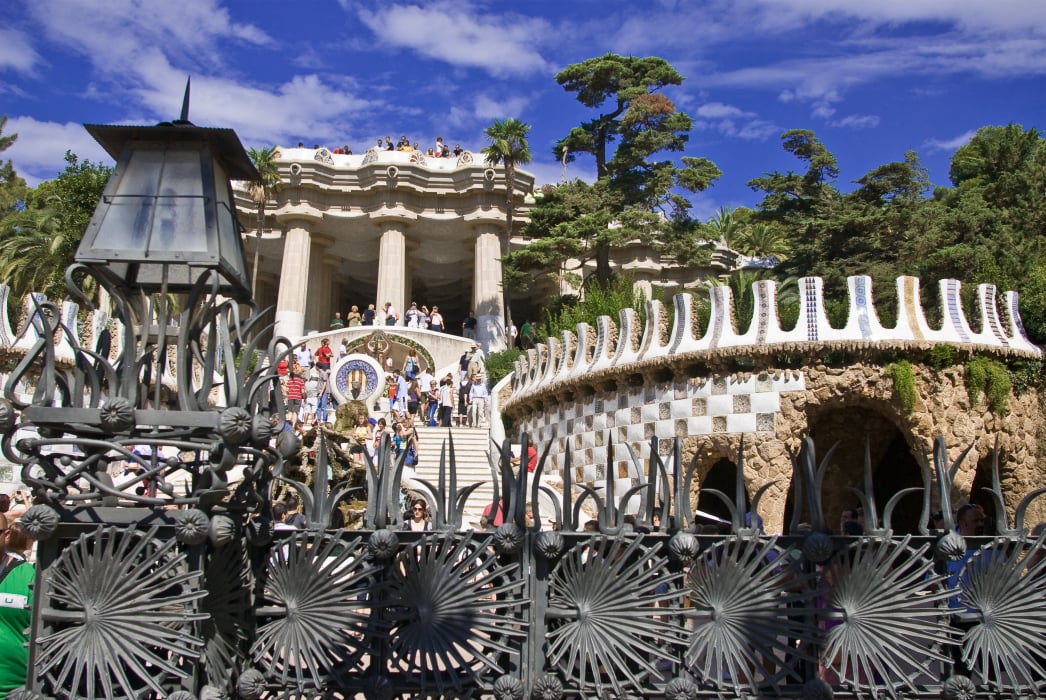
The most characteristic parts of this park are the large dragon staircase where we can find its most typical image with the dragon or salamander covered in mosaics, the Hypostyle Hall, designed to host the urbanization market, and the Greek Theatre or Nature Square, from where we have impressive views of the city. Audio Guide of Barcelona.
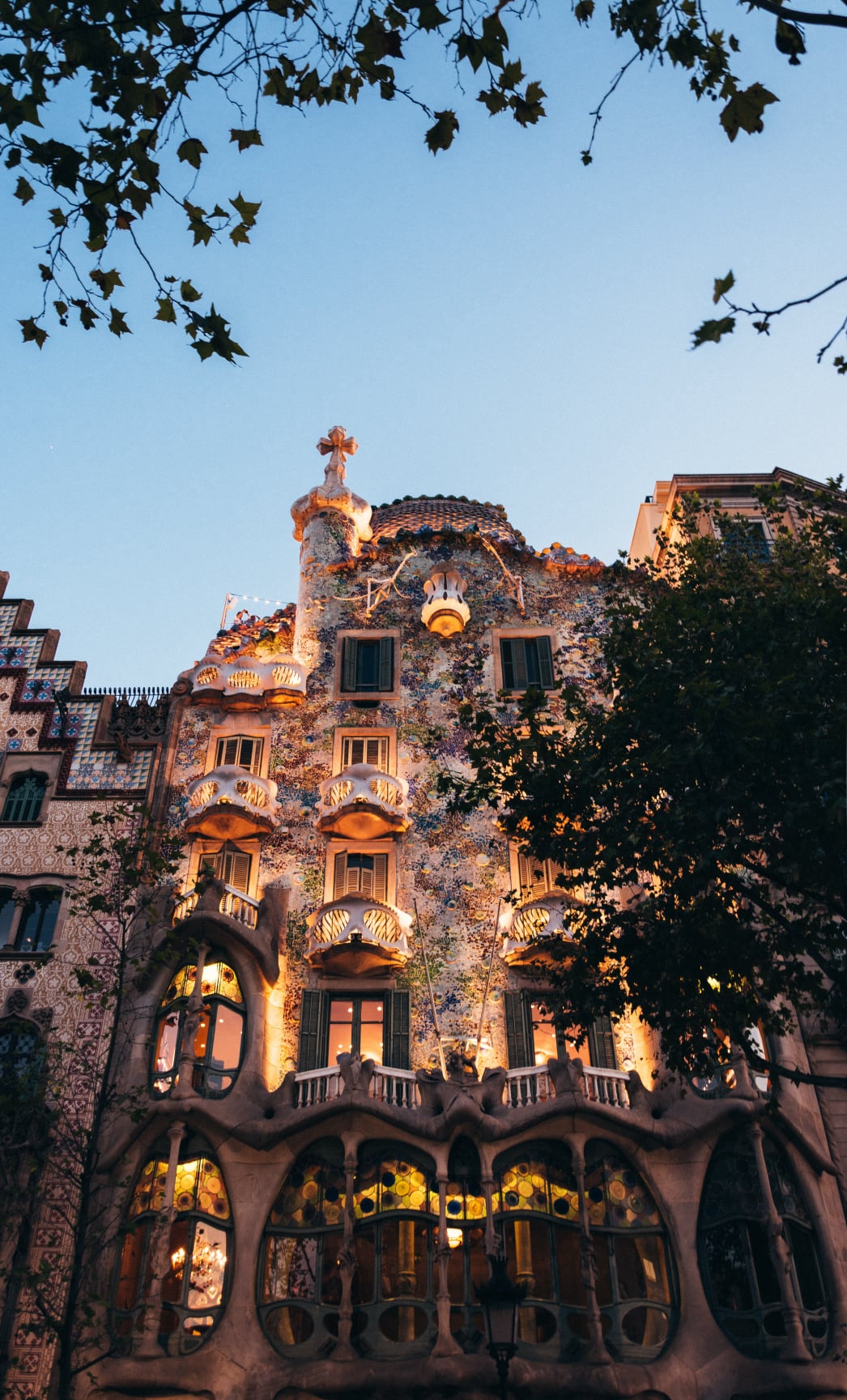
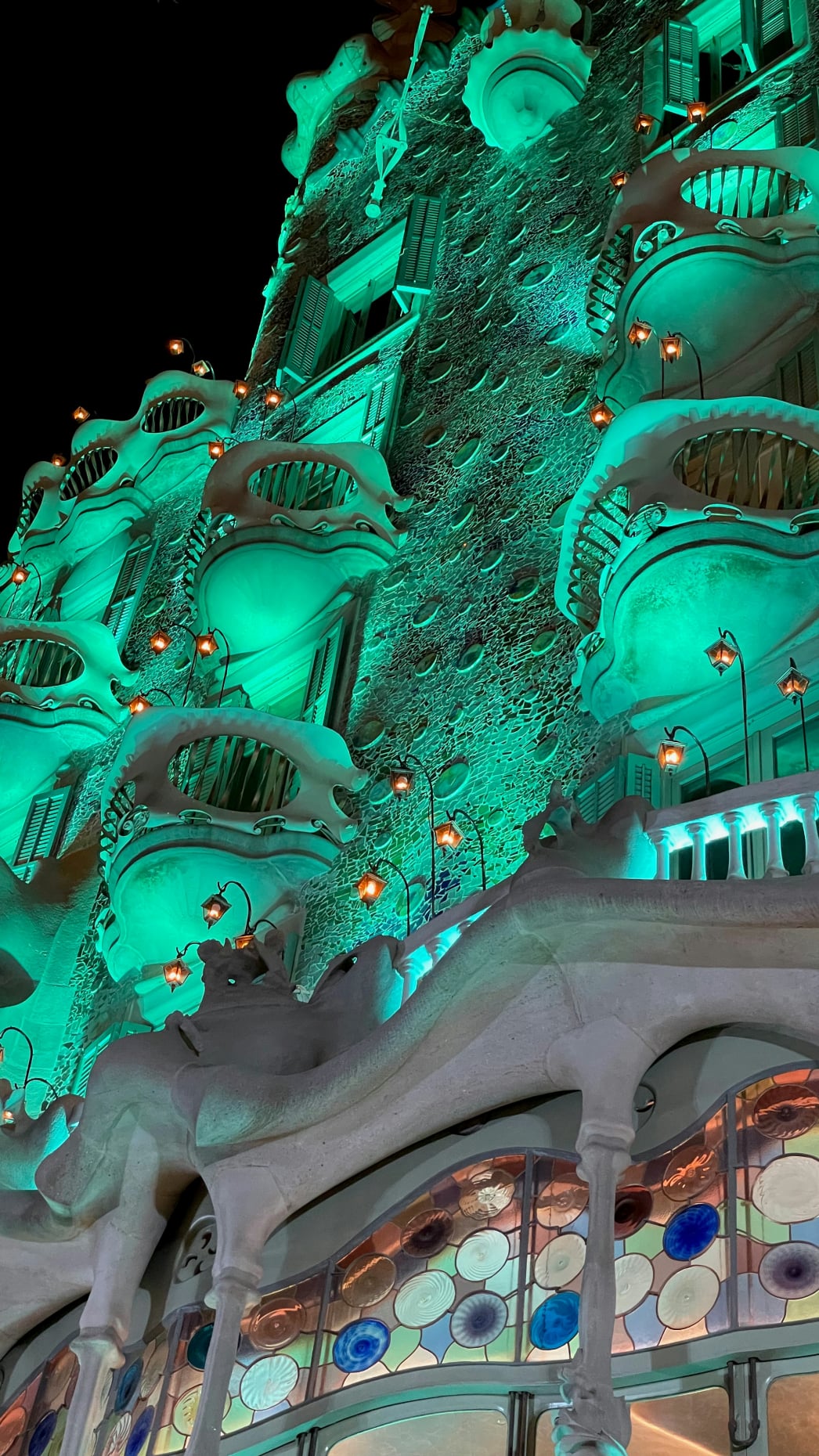
4. AUDIO GUIDE OF BARCELONA. CASA BATLLÓ
In 1860, a new urban plan called the Plan Cerdà was approved in Barcelona, foreseeing Passeig de Gràcia as the place where the city's most distinguished families would find their residence.
It is on this street where the well-known Casa Batlló is located. This building began construction in 1877 by Emilio Sala Cortés, one of Gaudí's architecture professors, at a time when Barcelona did not yet have electric lighting.
26 years later, the building was bought by D. Josep Batlló y Casanovas, a prominent businessman recognized in the city, who commissioned Gaudí to remodel his new house. Initially, it was planned to demolish the entire building, but Gaudí decided to discard this idea and began remodeling it between 1904 and 1906.
Gaudí completely changed the facade, redistributed the interior partitions, and expanded the light well, turning the interior of the house into a work of art, as well as making it highly functional, more akin to our time than the past.
Casa Batlló belonged to the Batlló family until the 1950s, after which it housed various companies and individuals until the Bernat family acquired it in the 1990s, who are its current owners. They opened Casa Batlló for public visits in 1995, hosting events and later cultural visits. Audio Guide of Barcelona.
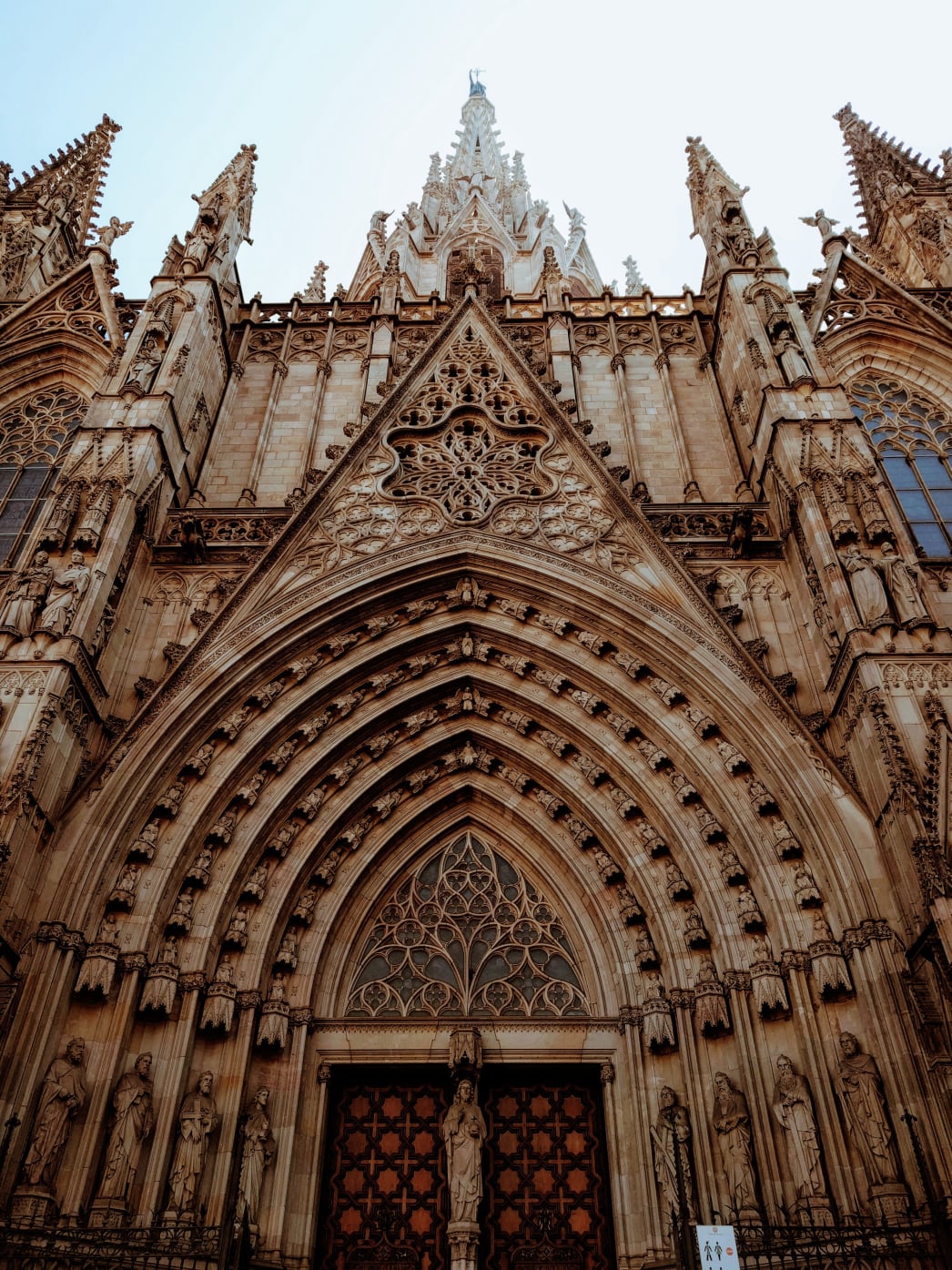
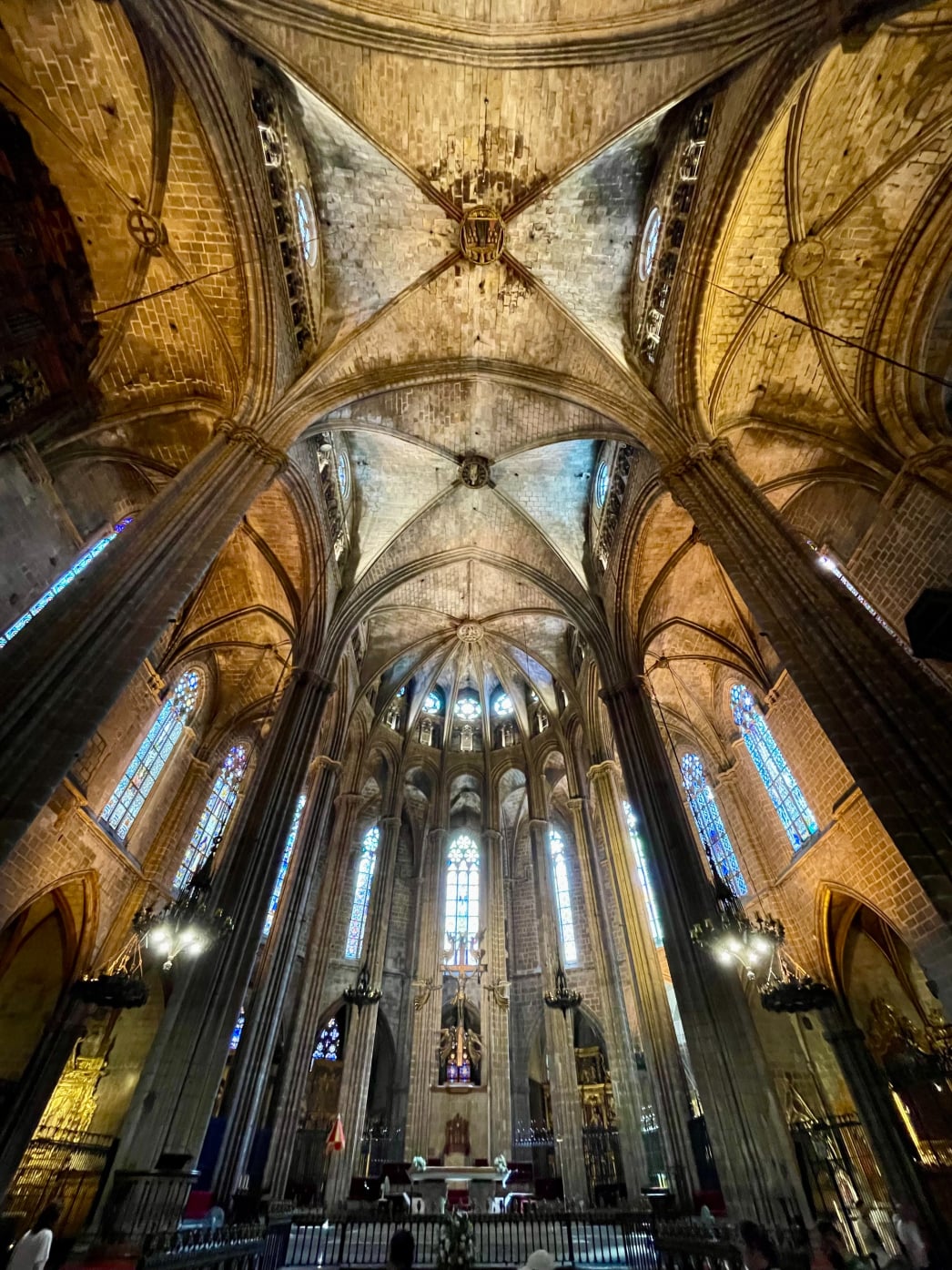
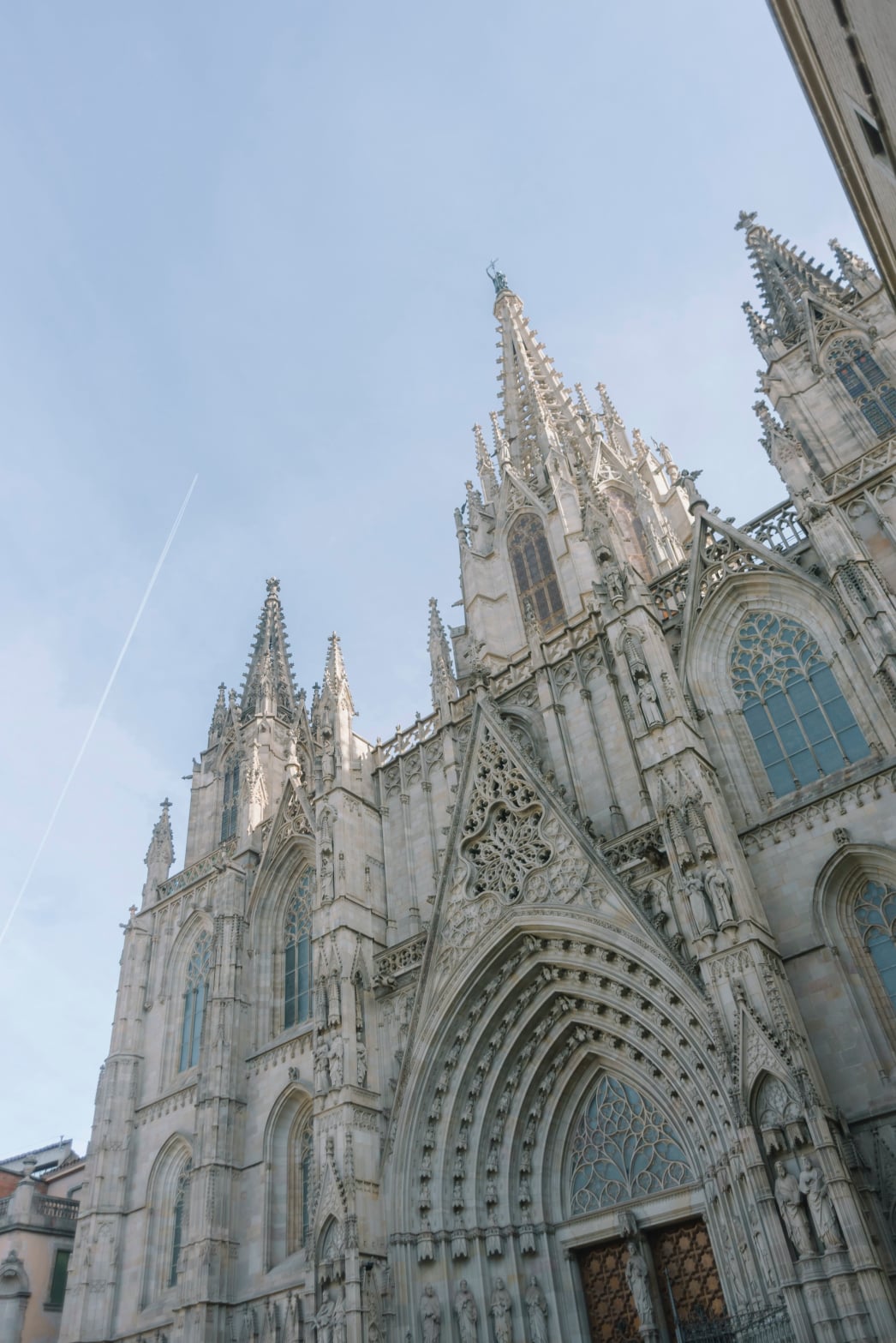
5. AUDIO GUIDE OF BARCELONA. CATHEDRAL OF THE HOLY CROSS AND SAINT EULALIA/BARCELONA CATHEDRAL
It is known that already in the 4th century there was a Paleo-Christian basilica where the martyrdoms of Saint Eulalia and Saint Cucuphas are said to have taken place, and Christians took refuge here during the persecutions of Diocletian-Maximian.
Later in the 6th century, documents indicate that worship of the Holy Cross began within this cathedral, in addition to being the place where the relics of Saint Eulalia were kept.
In 1046, the Arab chieftain Almanzor burned and destroyed the city of Barcelona, along with the basilica. That same year, the Count of Barcelona, Ramon Berenguer the Old, ordered the construction of a Romanesque cathedral.
Already in the 13th century, during the reign of James II of Aragon the Just, the cathedral that we can see today was ordered to be built in Gothic style on the foundations of the former Paleo-Christian basilica and the Romanesque cathedral, completing its construction in the 15th century under King Alfonso V of Aragon.
Inside the cathedral, we can find the crypt of Saint Eulalia, a young girl who at only 13 years old was martyred to death in the year 304 for defending her Christian faith, and the Chapel of the Holy Christ of Lepanto, where a crucified Christ can be seen, to whom the people of Barcelona have a special devotion. Legend has it that this Christ was on board the ship of Juan de Austria during the Battle of Lepanto and that in the midst of the conflict to avoid being hit by a bullet, he inclined, remaining in the forced posture by which he is recognized today. Audio Guide of Barcelona.
- Language spanish
- mp3 format
- Language english
- mp3 format
- Language french
- mp3 format
- Language german
- mp3 format
- Language Italian
- mp3 format
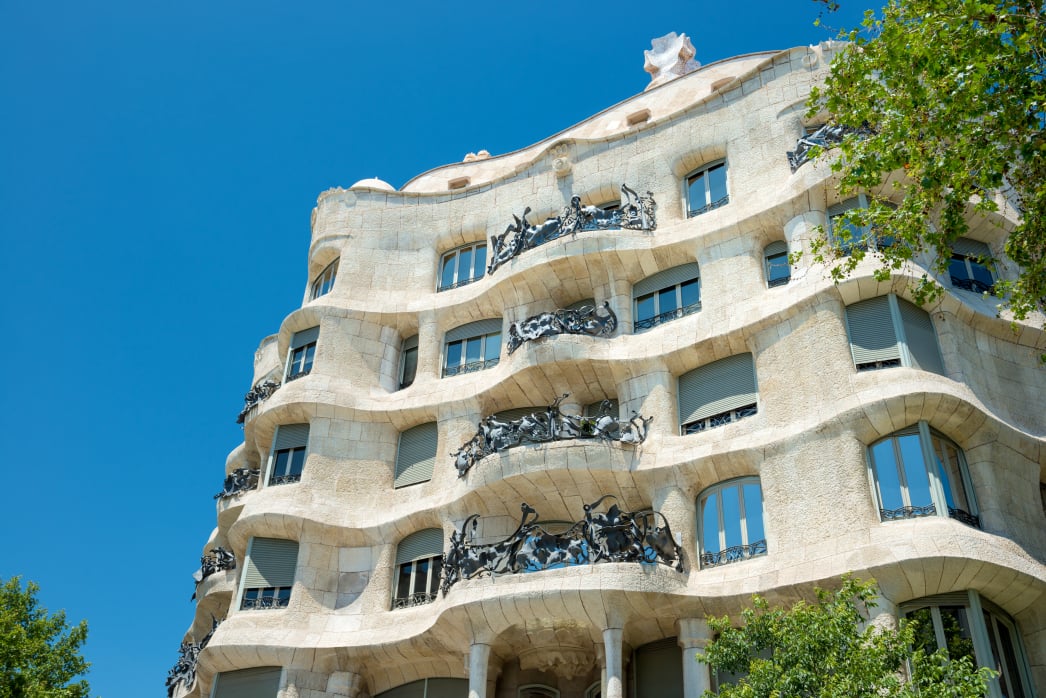
6. AUDIO GUIDE OF BARCELONA. LA PEDRERA-CASA MILÁ
Casa Milà is located on Passeig de Gràcia, the location of the most emblematic buildings of 20th-century Barcelona and the wealthiest bourgeoisie of that time.
In 1905, the couple Pere Milà and Roser Segimon purchased a tower with a garden on Passeig de Gràcia and commissioned Gaudí to build their new residence for them to occupy the main floor and to rent out the rest of the building. It was named Casa Milà, after its owner, but later became known as La Pedrera due to its rustic appearance resembling a quarry.
During its construction, it is known that Gaudí constantly changed the design because he found a new approach for the building as the works progressed. This exceeded the budget they had given him and also did not comply with the municipal regulations, as the attic and rooftop were higher than established, and one of the façade's pillars occupied part of the sidewalk of Passeig de Gràcia.
When Gaudí learned that an inspector had visited the building and possibly had to cut the column, he said that if this happened, he would place a plaque where the column was, stating: "The missing piece of the column has been cut by order of the City Council."
After this, the City Council certified that the building had a monumental character and did not have to strictly comply with municipal orders, although to legalize this, the Milàs had to pay 100,000 of the old pesetas.
Once the construction was completed, being his last civil work, Gaudí sued the couple for not being satisfied with the fees after a previous argument. Gaudí finally won the lawsuit, the Milàs had to mortgage the house and pay him 105,000 pesetas, which he decided to donate to a convent of nuns.
Casa Milà had been abandoned and unused for a long time until it was restored and opened as a cultural center in 1996. Since 2003 it has been the headquarters of the Catalunya La Pedrera Foundation and stands out for the activities it organizes and the various museum spaces and public use areas it hosts. Audio Guide of Barcelona.
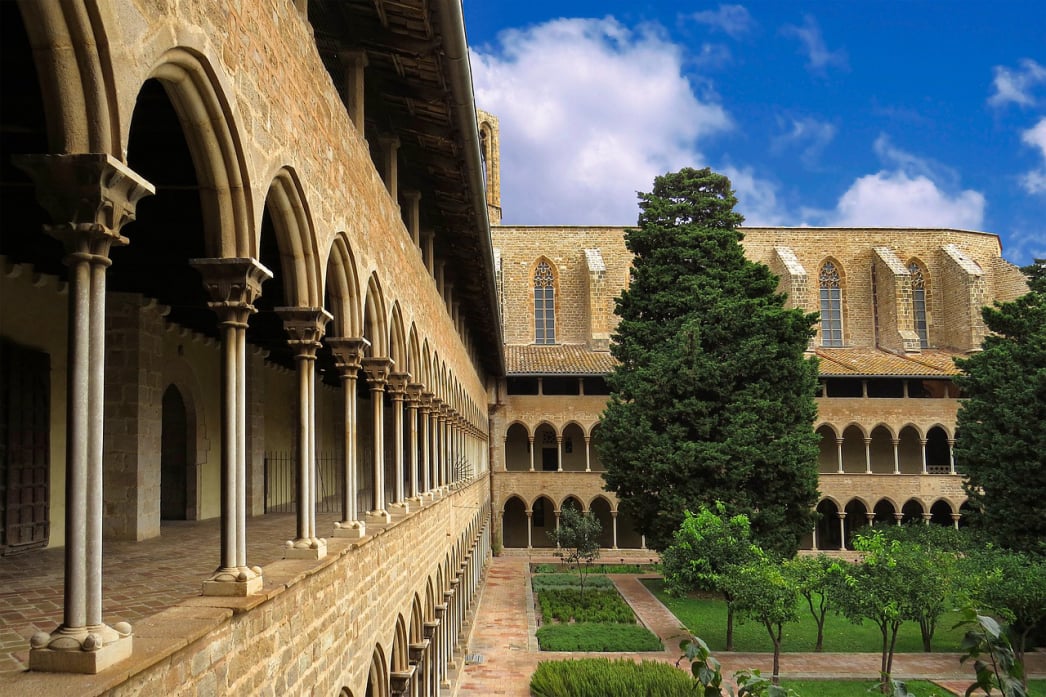
7. AUDIO GUIDE OF BARCELONA. REAL MONASTERY OF SANTA MARÍA DE PEDRALBES
In 1327, Queen Elisenda de Montcada and King Jaime II ordered the construction of the Pedralbes Monastery dedicated to Saint Mary. The queen herself chose its location, close to the old court of Barcelona but away from the city bustle, as Elisenda would use this monastery to atone for her and her family's sins.
Furthermore, she ordered the construction of a small palace nearby so she could retire in peace with the women of her family once widowed. In 1328, following King Jaime II's death, Elisenda moved all her belongings to her new residence, continuing her political life and commitments to the monastery.
The first community to inhabit the monastery were the Poor Clares from the Convent of San Antonio in Barcelona, consisting of 14 nuns and 15 novices. They began their religious life in the new monastery. Queen Elisenda donated part of her wealth to these nuns after her death in 1364, granting them significant economic independence and a unique standing within the Church.
Today, the monastery's facilities are perfectly preserved. Its most notable features include the world's largest Gothic cloister, the day cells where the Poor Clares rested, the church with a Gothic altarpiece, and the Chapel of San Miguel, adorned with paintings from 1346.
It is known that during the Spanish War of Independence, also known in Catalonia as the French War, Napoleon's troops converted the monastery into a military barracks, filling the cloister with horses and cannons, which significantly damaged the original flooring. Barcelona Audio Guide.
- Language spanish
- mp3 format
- Language english
- mp3 format
- Language french
- mp3 format
- Language german
- mp3 format
- Language Italian
- mp3 format
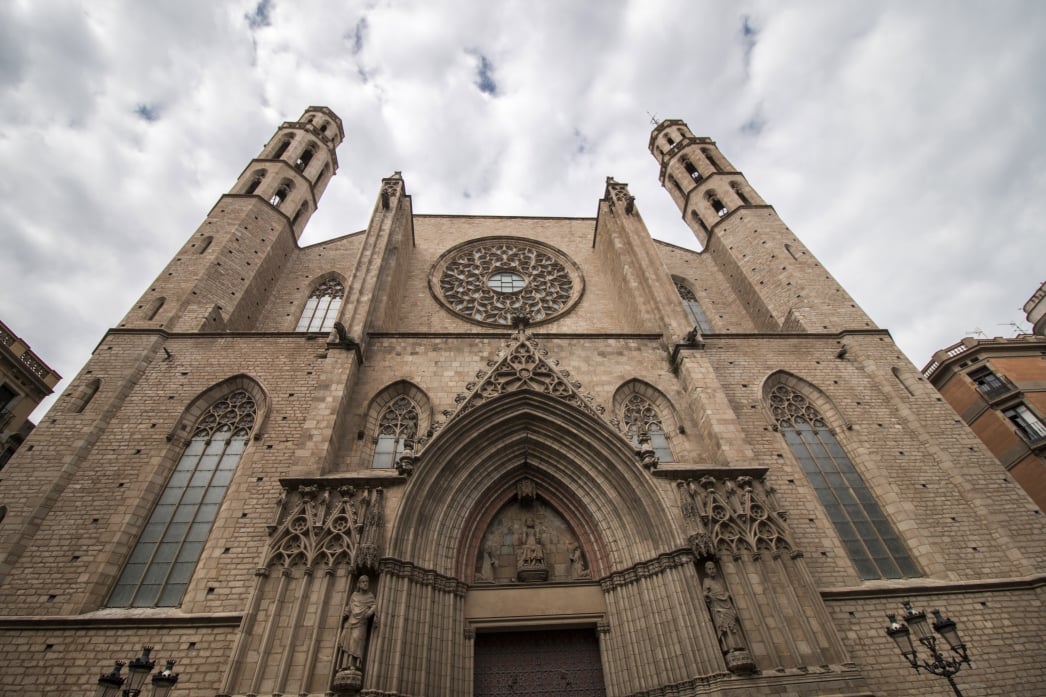
8. AUDIO GUIDE OF BARCELONA. SANTA MARÍA DEL MAR
During the Roman colony of Barcino, there was a small Christian community outside the walls near the sea, where it is believed that the martyr Saint Eulalia was initially buried. This chapel, known as Santa María de las Arenas, grew over the years until, in the seventh century, a temple was erected, named the Parish of Santa María del Mar.
Centuries later, with the city's growth and enrichment, it was decided to construct a much larger temple, in line with the renovations being made at the time in the area known as Villanova del Mar. With the permission of King Pere III, stones were extracted and transported from the Montjuic mountain for its construction, with most residents of the area actively participating, carrying stones from one place to another. The first stone of the temple was laid in March 1329, and its construction was completed 55 years later.
Over time, the parish has maintained its original appearance, though it has suffered some damage due to the continuous wars in the city. However, there was an event that destroyed much of Santa María del Mar's interior; during the Civil War, on July 19, 1936, anarchists and communists set fire to the inside of the temple. The fire lasted 11 days and destroyed the baroque altar, all the images, and all archives, leaving only the stone structure, which remains blackened to this day. Barcelona Audio Guide.
9. AUDIO GUIDE OF BARCELONA. PICASSO MUSEUM
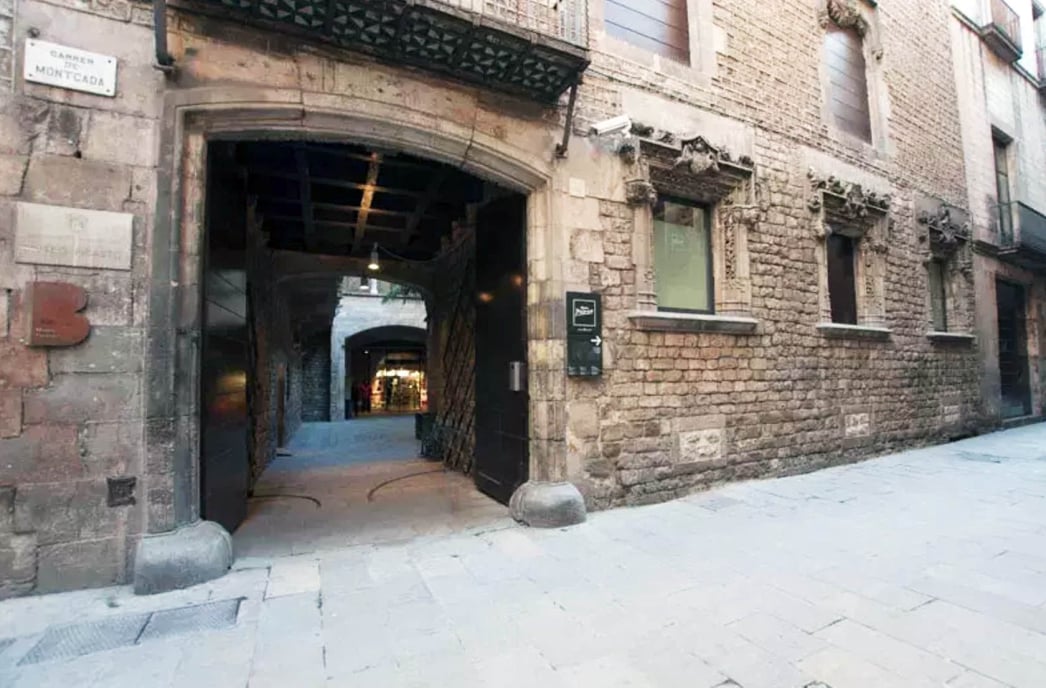
This museum, distributed across five Gothic palaces, houses over 4000 works by Pablo Picasso from his formative years.
Picasso himself wished for his early works to be permanently exhibited in Barcelona, where his family moved in the late 19th century when Picasso was only 14 years old. He spent his formative years in Barcelona, studying at the School of Fine Arts of La Lonja and exhibiting his first works at the age of 18 in the café Els Quatre Gats, a meeting place for the city's intellectuals.
The Picasso Museum was inaugurated in 1963, being the first museum dedicated exclusively to the artist in the world and the only one created during the artist's lifetime. The museum initially formed with the works from the private collection of Picasso's close friend Jaume Sabartés i Gual, along with various works from other museums in the city. Subsequently, other donations arrived to complete the collection, the most famous being from Gala and Dalí, who donated some works from their own collection for the museum's creation.
As the collection grew, the museum expanded, annexing adjacent buildings until it comprised the five palaces.
Today, the Picasso Museum in Barcelona is a global reference for studying the artist's drawings and engravings up to his Blue Period, so named for the blue color palette he used in his works following the suicide of his friend Carlos Casagemas in 1901. Barcelona Audio Guide.
10. AUDIO GUIDE OF BARCELONA. MONTJUIC
Montjuic is one of the two natural elevations in Barcelona, along with Tibidabo. It was used in the past as a military lookout and became a tourist attraction following the works carried out during the 1929 Universal Exposition and the 1992 Olympic Games. Notable attractions in Montjuic include:
Cable Car: A unique way to enjoy views of Barcelona while ascending the mountain.
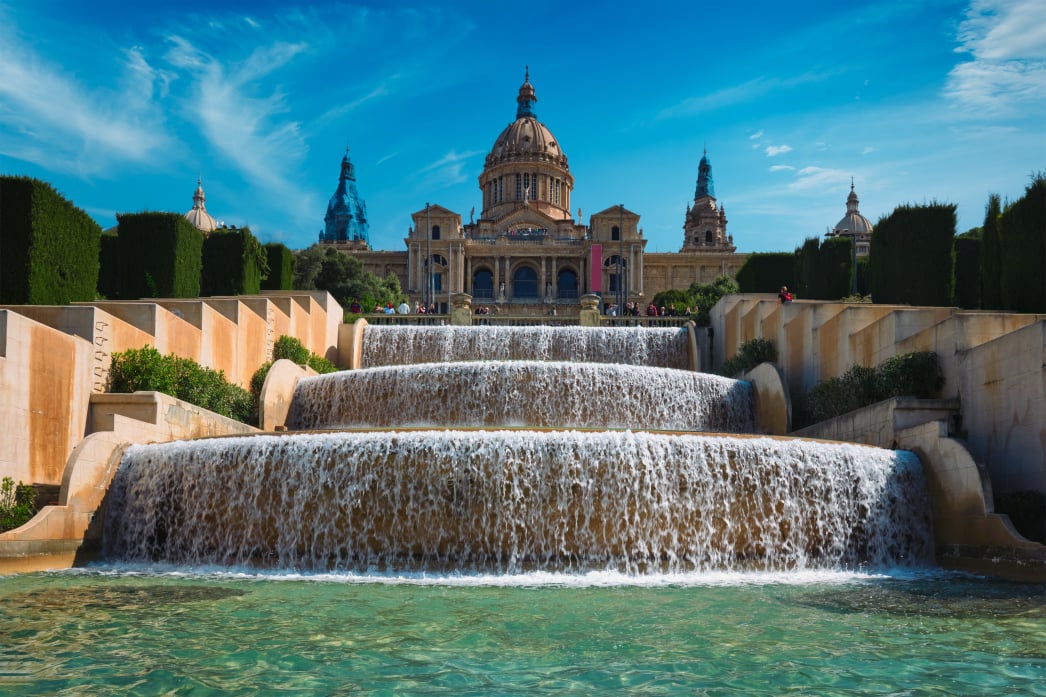
Magic Fountain of Montjuic: This fountain has been offering a light and water show for over 80 years, captivating all who see it. Since 1980, music has been incorporated, with soundtracks from Star Wars, E.T., The Godfather, and Disney movies accompanying the light and water movement.
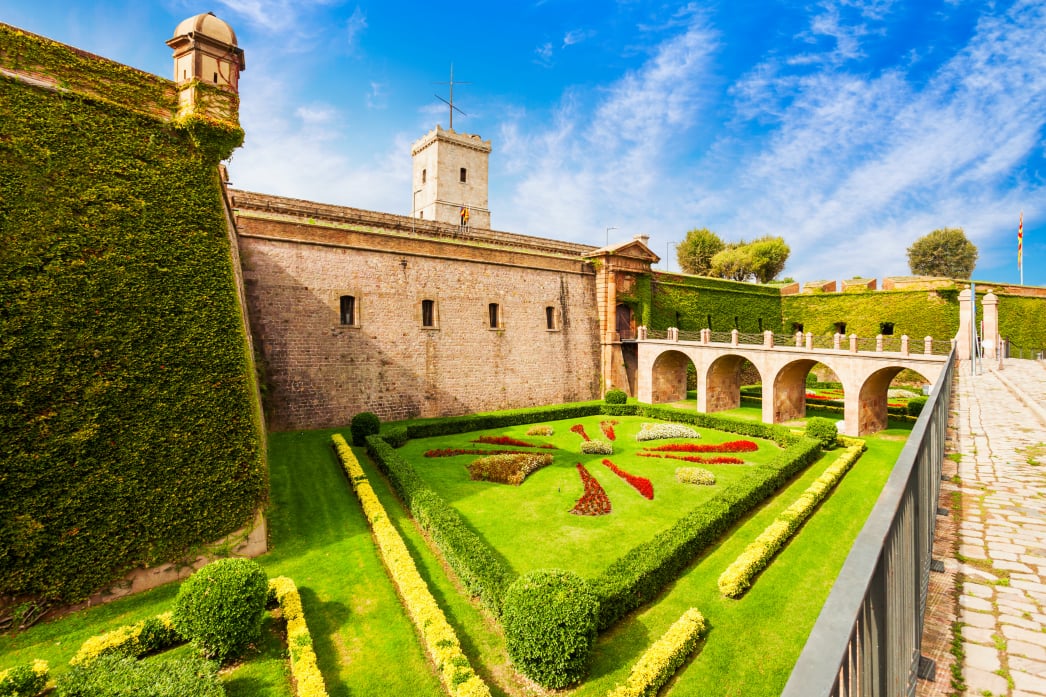
Montjuic Castle: This castle served as a means of defending Barcelona from external attacks and later as a prison.
Joan Miró Foundation: The only museum entirely dedicated to Joan Miró, master of surrealism. The collection began with contributions from the artist himself and has grown over the years thanks to private donations.
Gardens of the Greek Theatre: Best known for its open-air amphitheater, which hosts performances during the Grec Festival of Barcelona each year.
Spanish Village: This unusual spot accurately represents the most beautiful corners of various Spanish towns.
Montjuic Olympic Ring: Built for the 1992 Olympic Games, it includes the Lluís Companys Olympic Stadium, Palau Sant Jordi, Bernat Picornell Pools, and the unique Telecommunications Tower by Calatrava. Barcelona Audio Guide.
11. AUDIO GUIDE OF BARCELONA. TIBIDABO
Tibidabo is one of the two highest natural elevations in Barcelona. It is known as the “Magic Mountain” by locals and is also one of the city's lungs. Points of interest include:
Tibidabo Amusement Park: The oldest in Spain and one of the first in Europe, with some of its original attractions still in operation.
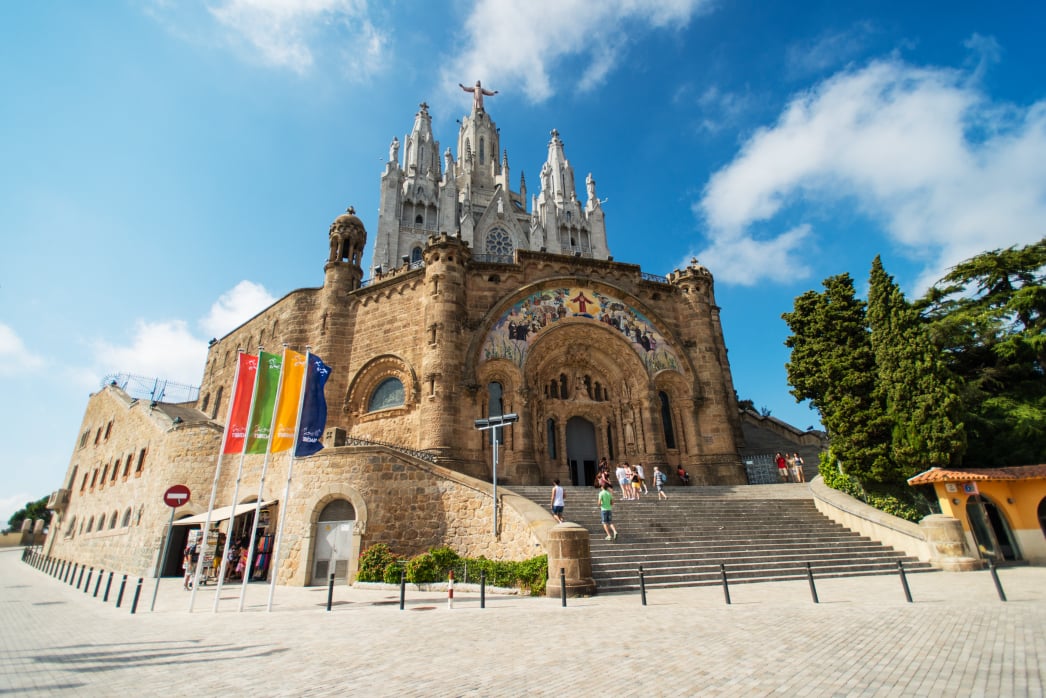
The Expiatory Temple of the Sacred Heart: A monumental neo-Gothic building with a bronze statue of the Sacred Heart.
Collserola Tower: Built for the 1992 Barcelona Olympics, it stands 288 meters tall, with an observation deck at 115 meters on the tenth floor.
Fabra Observatory: The fourth oldest active observatory in the world, focusing on astronomical research and collecting meteorological and seismic data. Barcelona Audio Guide.

12. AUDIO GUIDE OF BARCELONA. NATIONAL ART MUSEUM OF CATALONIA (MNAC)
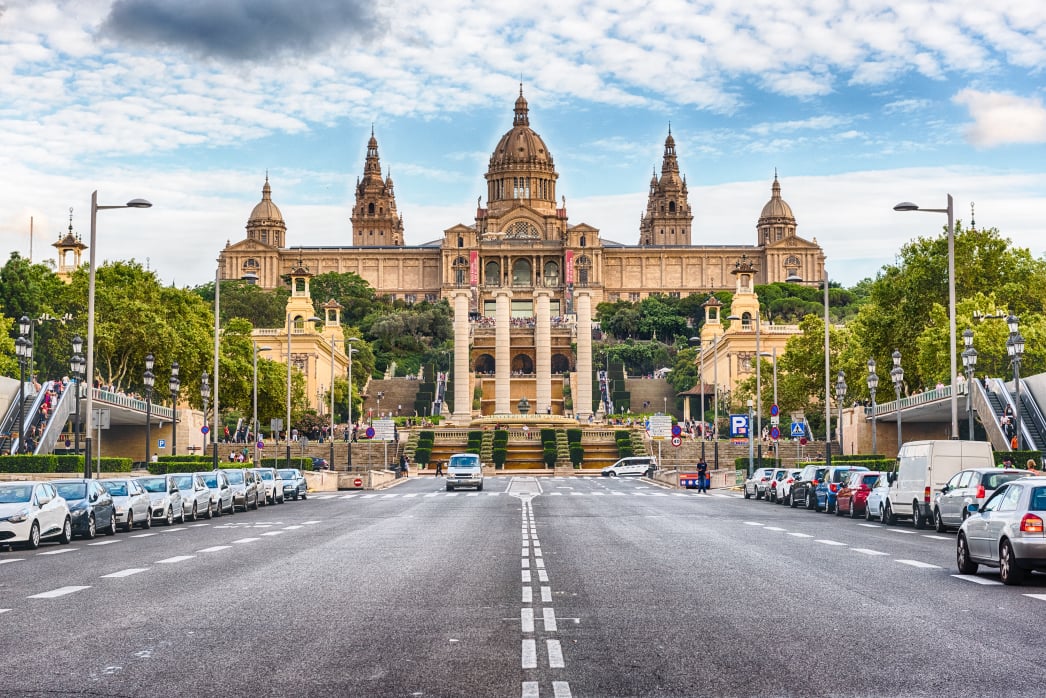
Located in the National Palace of Montjuic, this is one of Barcelona's most important museums. Its collection spans from the Romanesque period to modern day and includes the world's most complete collection of Romanesque art. The Palace, built for the 1929 International Exhibition, has a surface area of 32,000 square meters, divided into zones for the collection:
Romanesque Art: Unique world murals and valuable works from the 11th and 12th centuries.
Gothic Art: Comprises wall paintings, stone and wood sculptures, and numerous pieces of goldsmith work.
Renaissance and Baroque Art: Features works by great artists like Titian, Tintoretto, Piombo, El Greco, and Rubens.
Modern Art: From Neoclassicism to the avant-garde, it includes the most important collection of Catalan art from the 19th to the mid-20th century.
Numismatic Cabinet of Catalonia: Consists of over 135,000 specimens, with coins minted from the 6th century B.C. to the present.
Cabinet of Drawings and Prints: With over 100,000 works including drawings, engravings, and posters, it offers a journey through some of the most representative artistic movements.
Highlights of the building include the Oval Hall, the Throne Room, and the impressive main dome. Barcelona Audio Guide.
- Language spanish
- mp3 format
- Language english
- mp3 format
- Language french
- mp3 format
- Language german
- mp3 format
- Language Italian
- mp3 format
13. AUDIO GUIDE OF BARCELONA. PALAU DE LA MUSICA
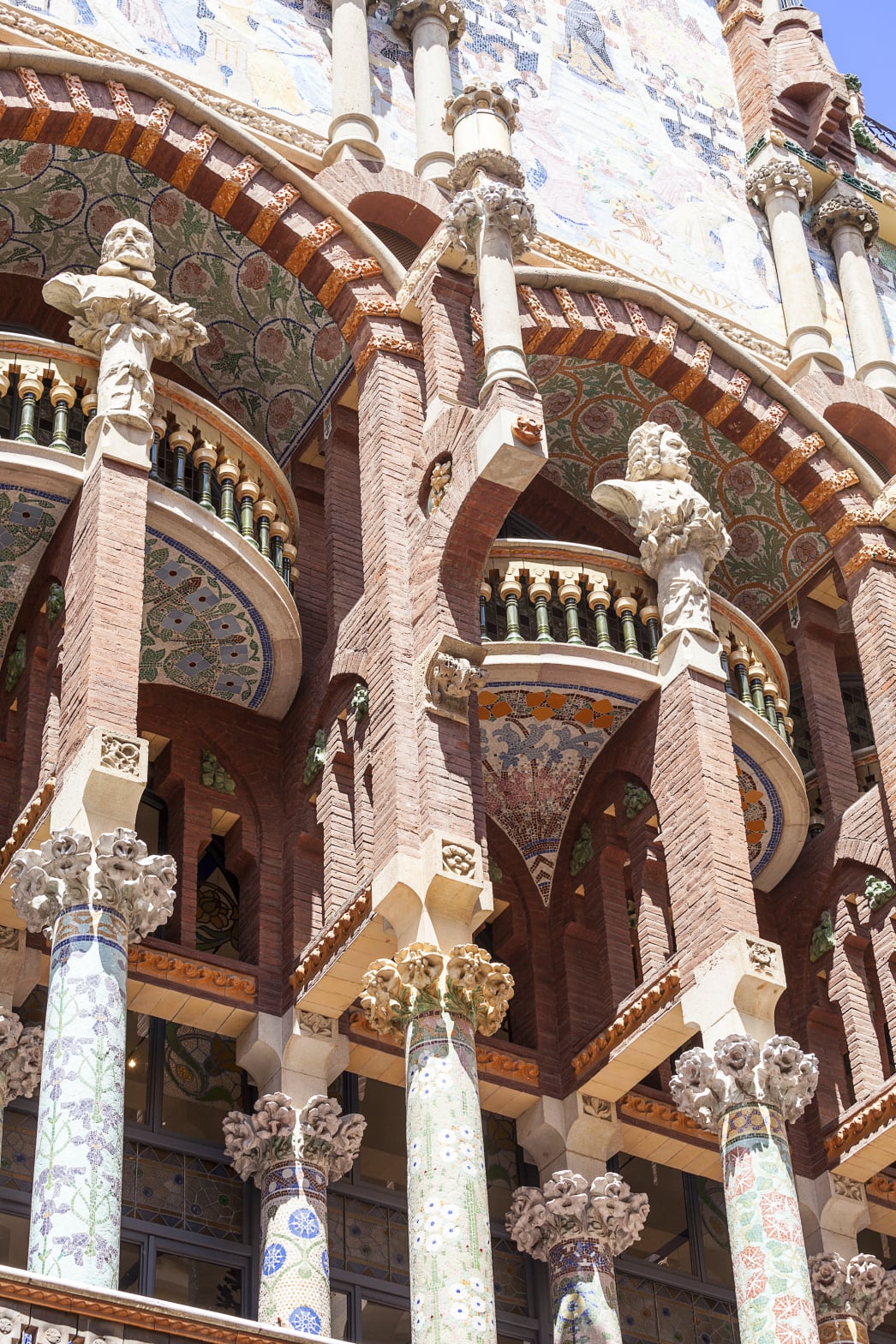
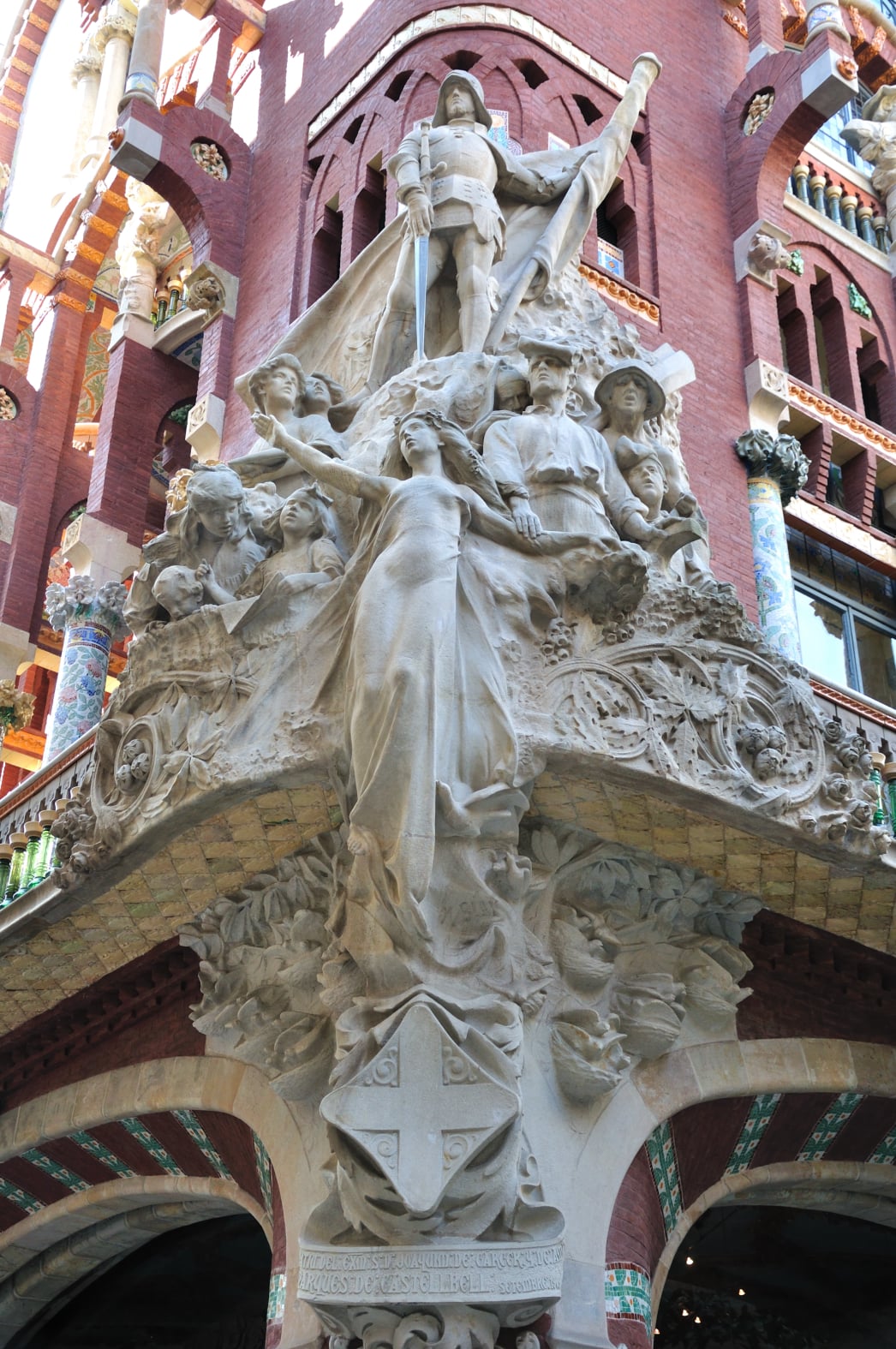
The Palau de la Música Catalana, designed by the Catalan architect Lluís Domènech i Montaner, was built between 1905 and 1908 to house the Orfeó Català.
It is one of the most special concert halls in the world, known for its excellent acoustics, which is why many renowned artists have performed on its stage, such as Ravel, Stravinsky, Manuel de Falla, Paco de Lucía, Ella Fitzgerald, Woody Allen, and Norah Jones.
The interior is brightly illuminated with natural light and colorful due to the stained-glass windows surrounding the hall. The most outstanding feature is the spectacular modernist skylight, designed by Antoni Rigalt i Blanch, crowning the ceiling above the stalls. The hall and stage are filled with busts, reliefs, and sculptures representing universal figures of classical music and Catalan popular music, creating an idyllic atmosphere.
The Concert Hall has a capacity for 2,049 people. Barcelona Audio Guide.
14. AUDIO GUIDE OF BARCELONA. PLAZA DE SAN FELIPE NERI
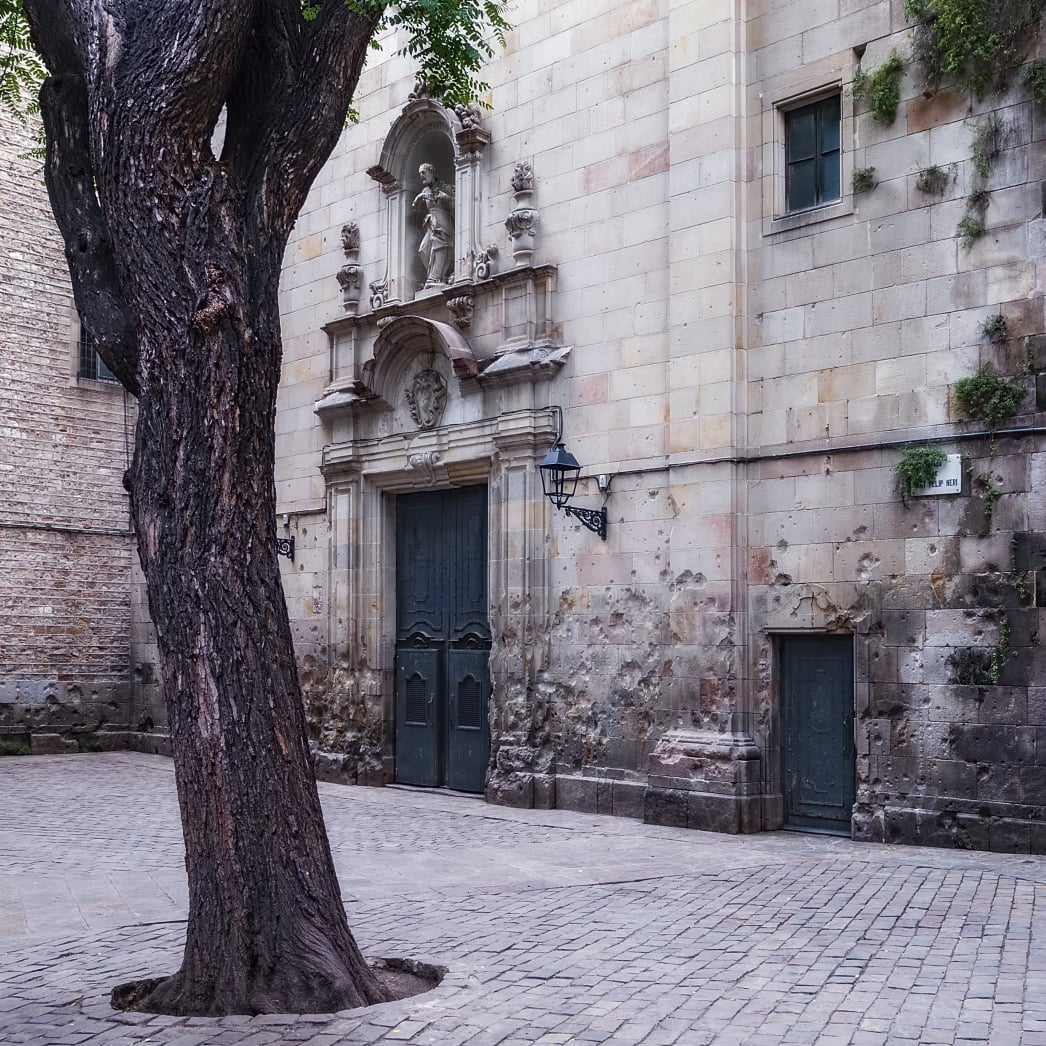
In a small corner of the Gothic Quarter, we find this square, home to the baroque church dedicated to San Felipe Neri since 1750, one of the few remaining examples in Barcelona. The main façade of the church, marked by numerous holes in the wall, draws attention. On January 30, 1938, during the Spanish Civil War, a bomb dropped by the Francoist army struck this spot, instantly killing 42 people, mostly children from a nearby nursery who had sought refuge in the convent's basement. These erosions visible today in San Felipe Neri serve as a reminder of the horrors of that conflict. In 2007, a plaque was placed to commemorate the event: "In memory of the victims of the bombing of San Felipe Neri. Here, 42 people died - most of them children - due to the Francoist aviation on January 30, 1938." Barcelona Audio Guide.
15. AUDIO GUIDE OF BARCELONA. CIUTADELLA PARK
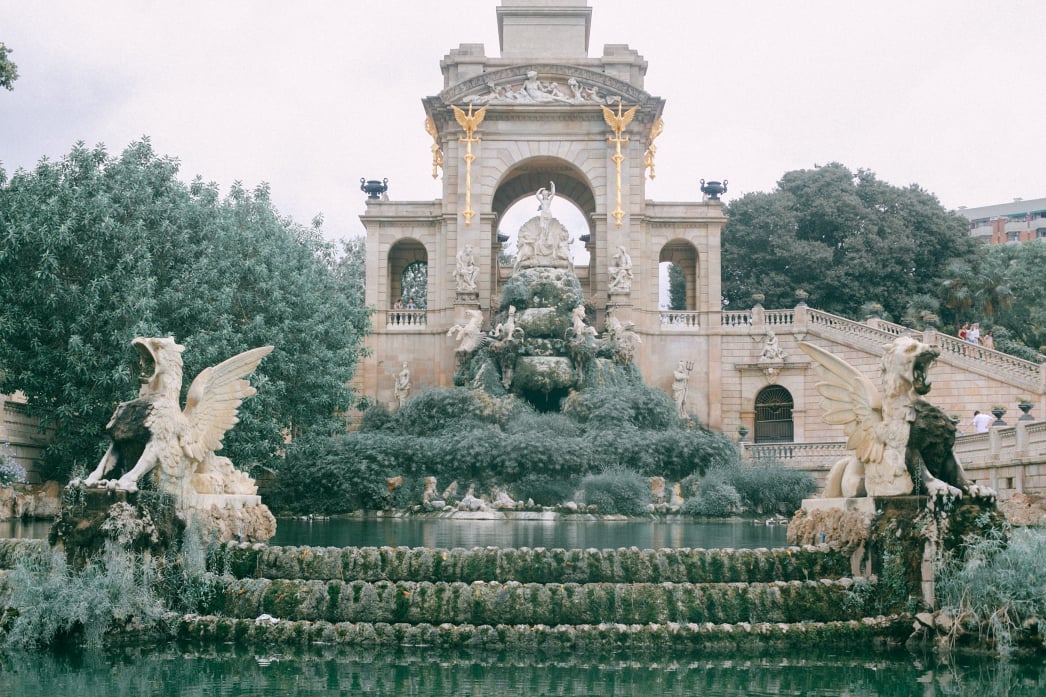
This park was constructed for the 1888 Universal Exposition on the grounds of the former military citadel built by Felipe V in the early 18th century. Notable artists, including Gaudí, collaborated on the project. Spanning 17 hectares, it was for many years the city's only public park and remains one of its most vital green spaces. Within the park, visitors can find a waterfall with a monumental ensemble inspired by Rome's Trevi Fountain, expansive landscaped areas and groves, a lake, a greenhouse, various memorial sculptures, several buildings including the prominent Castle of the Three Dragons housing the Zoology Museum, and the Barcelona Zoo. Barcelona Audio Guide.
16. AUDIO GUIDE OF BARCELONA. MUSEUM OF THE HISTORY OF CATALONIA (MHC)
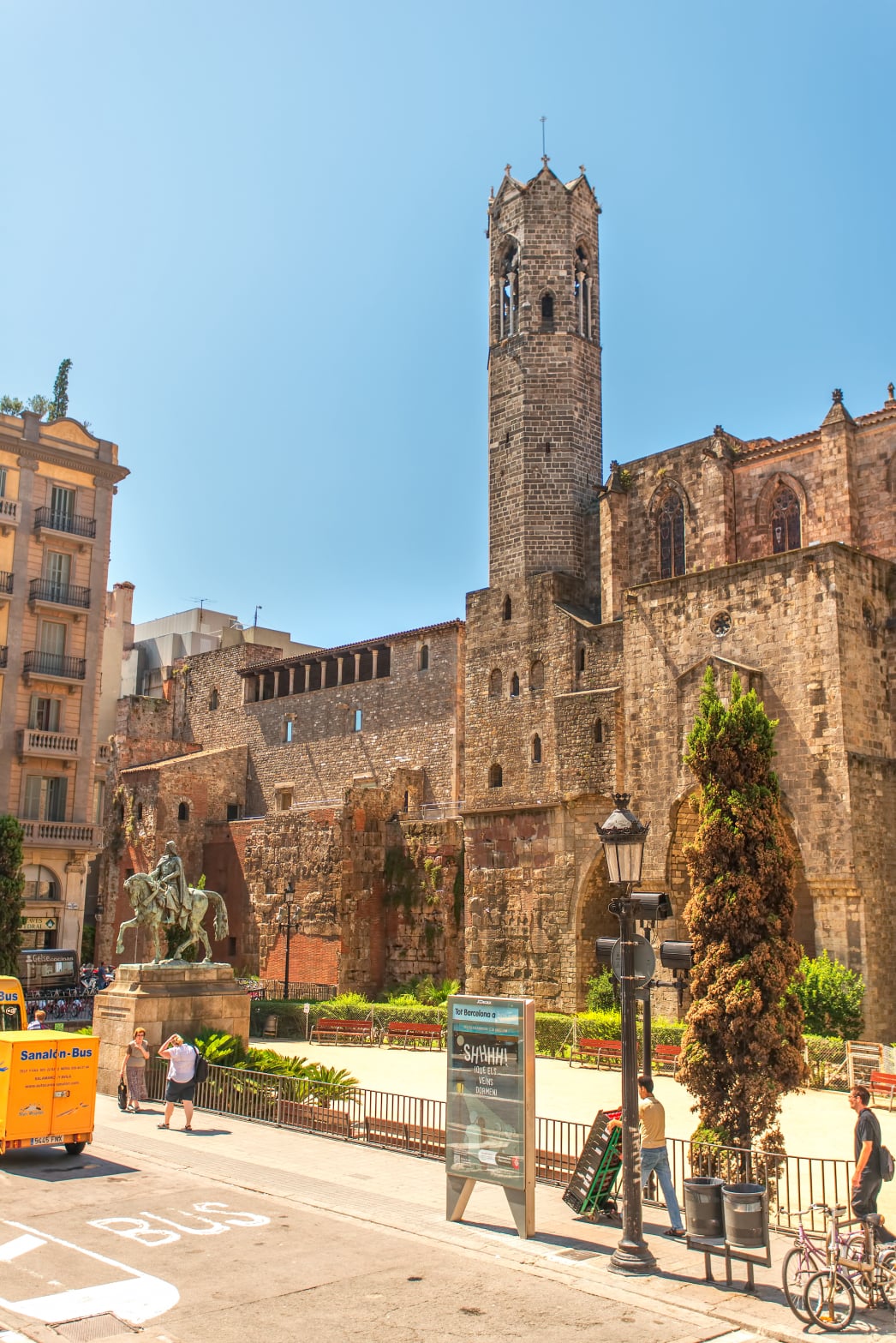
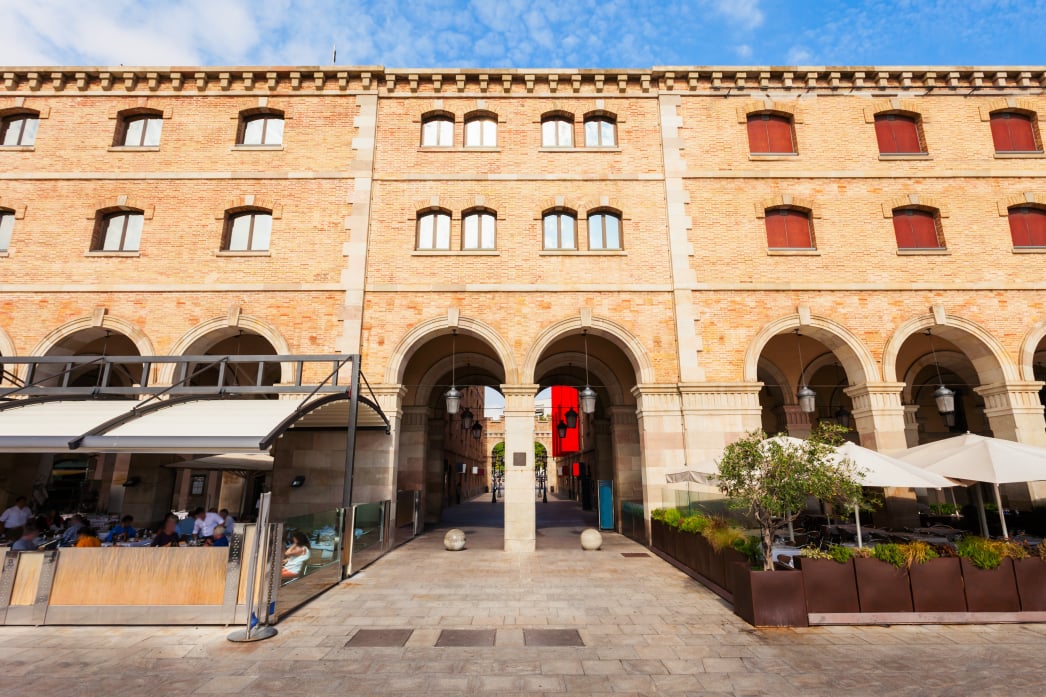
This museum showcases over two thousand years of Barcelona's history, from the Roman settlement of Barcino to the present day, through archaeological findings and interpretation centers that explain the city's political, social, economic, and cultural evolution. Its headquarters are located in the Casa Padellàs but it has various centers throughout the city's neighborhoods, allowing for a historical exploration in the contexts where they unfolded, such as the centers of the Temple of Augustus or the Jewish Quarter of Call. The Casa Padellàs was moved to Plaza del Rei in 1931, a relocation that revealed remnants of the Roman city of Barcino, solidifying the museum's location in this building. Upon entering the museum, visitors can explore the streets of Roman Barcelona, see remains of the old wall, traces of the city's first Christian community, and even a 2nd-century A.D. dyeing workshop. The museum features a permanent exhibition and temporary exhibits found in the Tinell Hall, where the Catholic Monarchs are said to have received Columbus after his voyage to America, and in the Santa Ágata chapel of the Palau Reial Major, located in the same square. Barcelona Audio Guide.
- Language spanish
- mp3 format
- Language english
- mp3 format
- Language french
- mp3 format
- Language german
- mp3 format
- Language Italian
- mp3 format
17. AUDIO GUIDE OF BARCELONA. GRAN TEATRO DEL LICEO
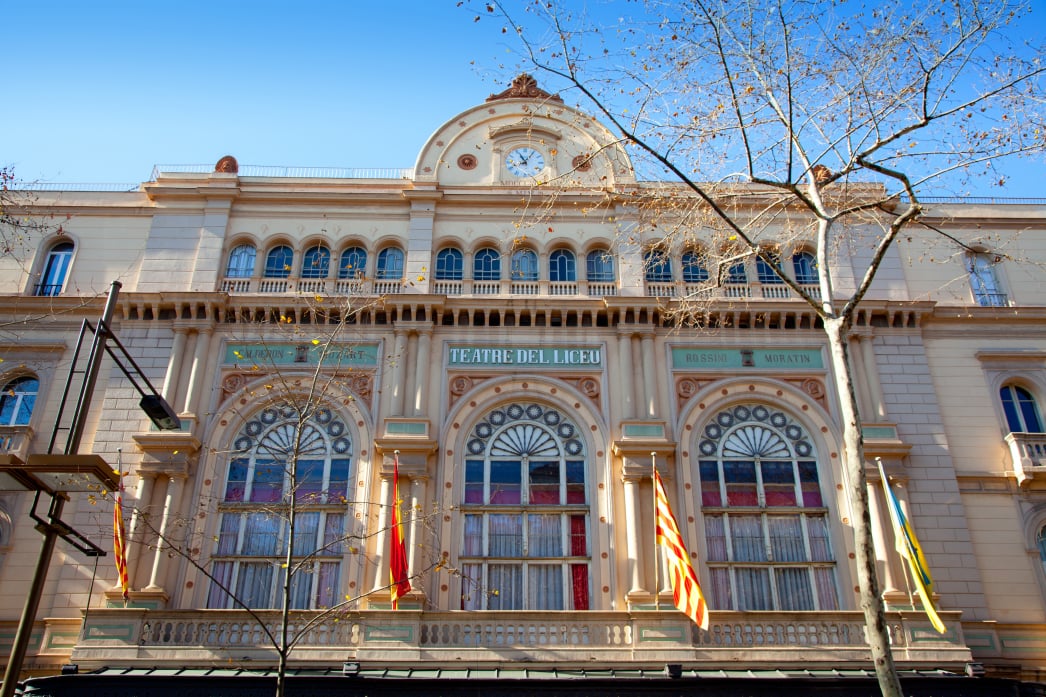
This opera house is Barcelona's oldest and most prestigious, once the largest theater in Europe and still functioning as a cultural and artistic center. Built on the foundations of an old Trinitarian convent, its design was inspired by the canonical form of Italian theaters, notably La Scala in Milan. Unlike theaters in other European cities, the Liceo was funded by the bourgeoisie, not the monarchy, as Isabel II refused to contribute to its construction, leading to the absence of a royal box. Over its 150-plus years, the Liceo has faced various calamities: a fire in 1861, an anarchist bombing in 1893 killing 20 people, and a second, larger fire in 1994 that destroyed the main hall, later restored to its original style with improvements. Today, the Liceo has 2,292 seats spread across the stalls and five floors of boxes, featuring a grand foyer with a staircase and an impressive hall of mirrors. Barcelona Audio Guide.
18. AUDIO GUIDE OF BARCELONA. OLD HOSPITAL OF SANTA CREU
The Old Hospital of Santa Creu was Barcelona's general hospital for five centuries and now houses the Library of Catalonia. Constructed in 1401, it aimed to consolidate the city's six hospitals. It operated until 1926 when it was moved to new buildings designed by Lluís Domènech i Montaner. One of its last patients that year was the famous architect Antoni Gaudí. He was hit by a tram on June 7 while heading to the church of San Felipe Neri. Looking like a vagabond and lacking identification, he lay unnoticed for hours until the civil guard discovered the accident and took him to the hospital, unaware of his identity. The next day, doctors found he had several broken ribs, a leg contusion, and a severe internal hemorrhage, worsened by the delay in hospital admission. Identified by his friend Mosén Gil Parés, Gaudí sadly succumbed to his injuries three days later. Today, the Library of Catalonia occupies the upper floor, where the hospital wards were. The first floor, formerly housing administration, kitchen, and laundry, now contains two public libraries. The Convalescence House hosts the Institute of Catalan Studies, the Royal Academy of Medicine, and the old hospital chapel, now an exhibition center. Barcelona Audio Guide.
19. AUDIO GUIDE OF BARCELONA. HOSPITAL DE LA SANTA CREU I SANT PAU
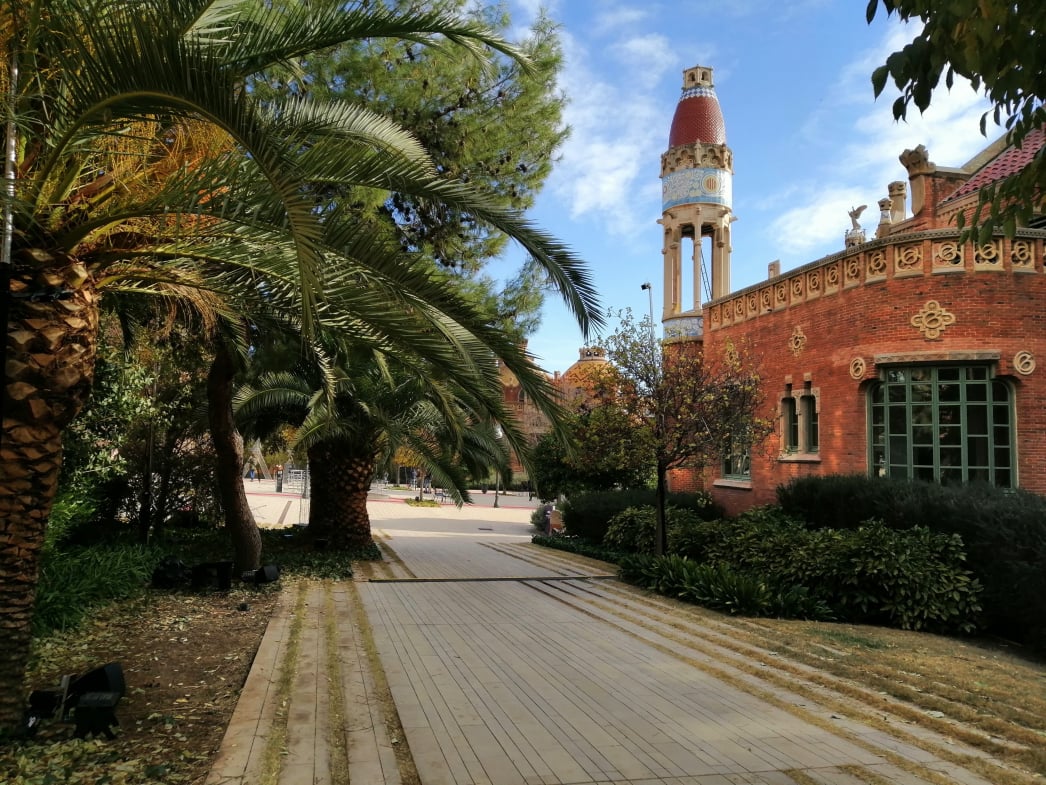
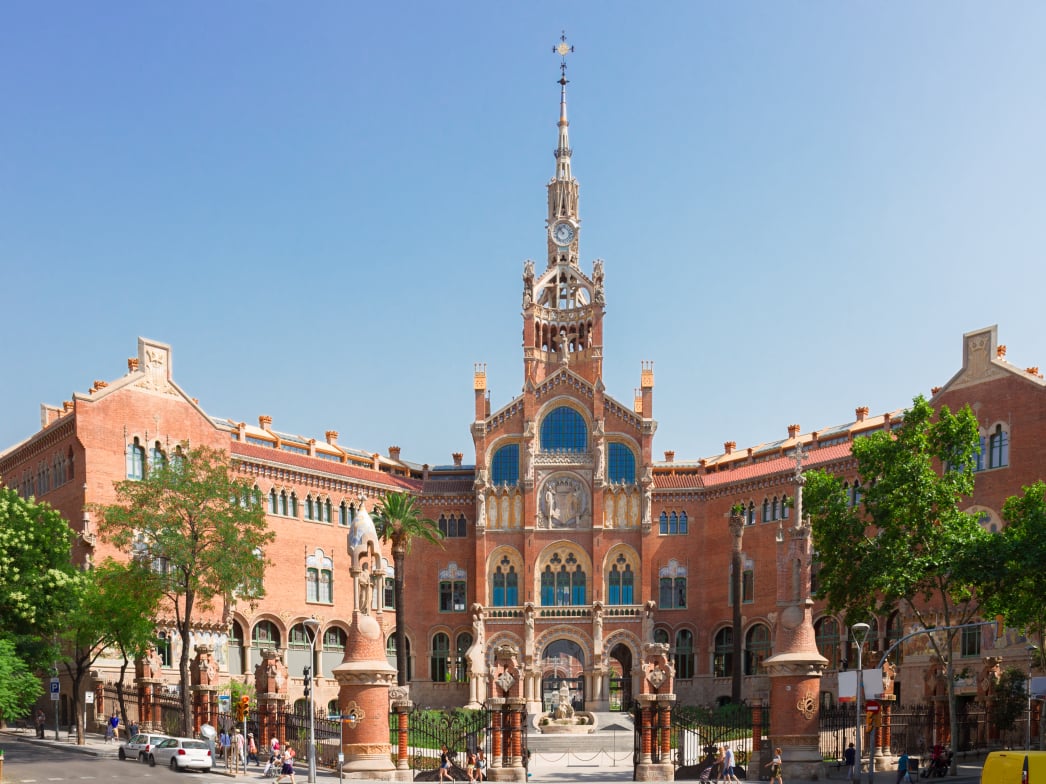
This hospital complex, constructed in the early 20th century by Lluís Domènech i Montaner and his son, functioned for eight decades. In 2009, a restoration project commenced for its pavilions, being a major representation of Catalan Modernism. The design aimed to provide a pleasant atmosphere for the healing of patients, with buildings resembling countryside houses in red brick, each dedicated to a different medical specialty and connected via underground corridors. Visitors today can explore the Sant Salvador Pavilion, showcasing the history of medicine in Barcelona, the upper floor highlighting the work of architect Lluís Domènech i Montaner, the Sant Rafael Pavilion granting access to the tunnels linking different buildings, and the Sant Jordi Pavilion, which hosts an exhibition about the hospital's past, present, and future. Barcelona Audio Guide.
20. AUDIO GUIDE OF BARCELONA. COLUMBUS MONUMENT
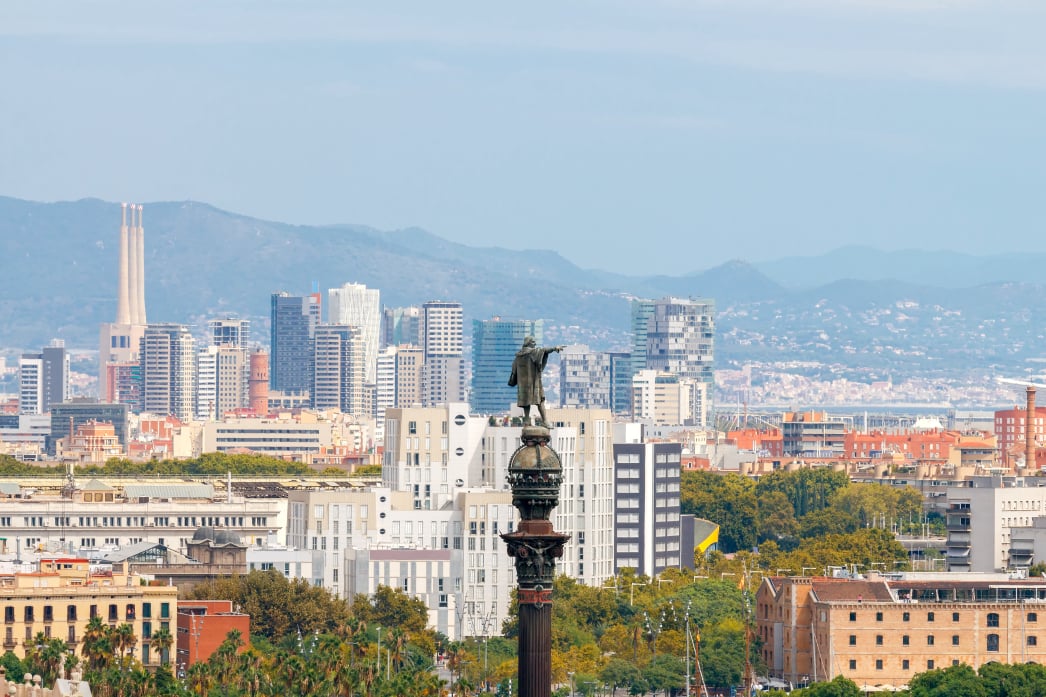
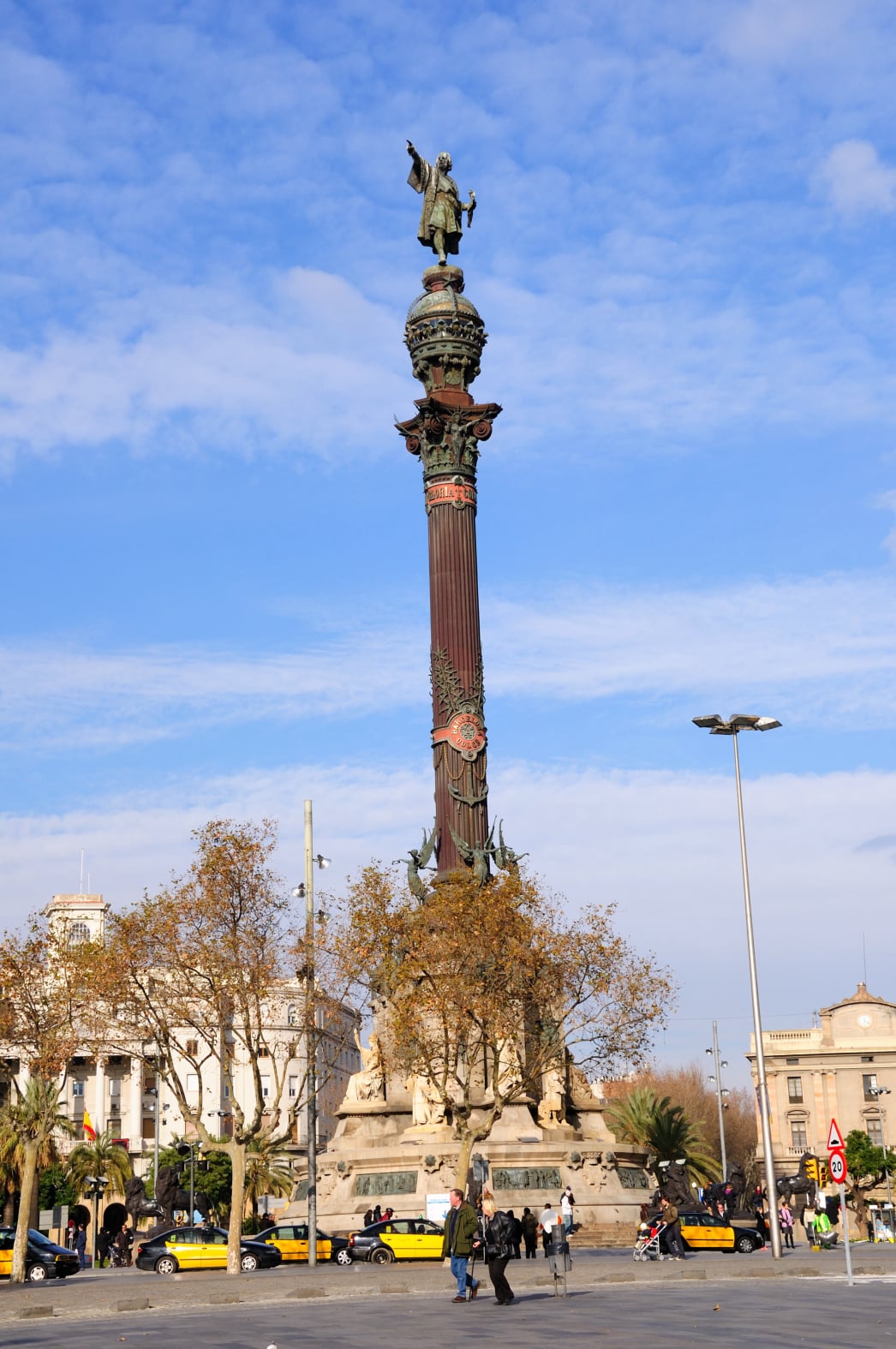
Commissioned in 1881, this monument honors the explorer Christopher Columbus. Located in Barcelona's port, it marks the spot chosen by Columbus to disembark after his journey to the Americas. It took seven years to complete and was inaugurated during the 1888 Universal Exposition in the city. The 60-meter column raises Columbus's statue, pointing towards the horizon. At its base are various sculptures related to the discovery, along with eight iron lions, popular for tourist photographs. Inside the column, an elevator ascends to a viewpoint at the statue's feet, offering a 360-degree view of Barcelona. Barcelona Audio Guide.

Audio guide devices, Multimedia audio guides,
Audio guide GPS tourist bus-train, charging bases and accessories.

Group guidance systems, headsets, charging cases, tour guide systems accessories.
Audioguides available from mobile devices, web App, downloadable App from Google Store.

Audioguides in several languages, translations, voiceovers. Audio descriptions, signoguides, visual contents for audioguides. 3D Reality.

Calle Penelope 5 - 28042 Madrid (Spain)
Eichborndamm 167 G55, D-13403 Berlin (Germany)
117 Avenue Victor Hugo - 92100 Boulogne (France)
Piazza Teresa Noce 17D - 10155 Turin (Italy)
© Copyright 2006 - Call&Talk